PBL 2025-2026
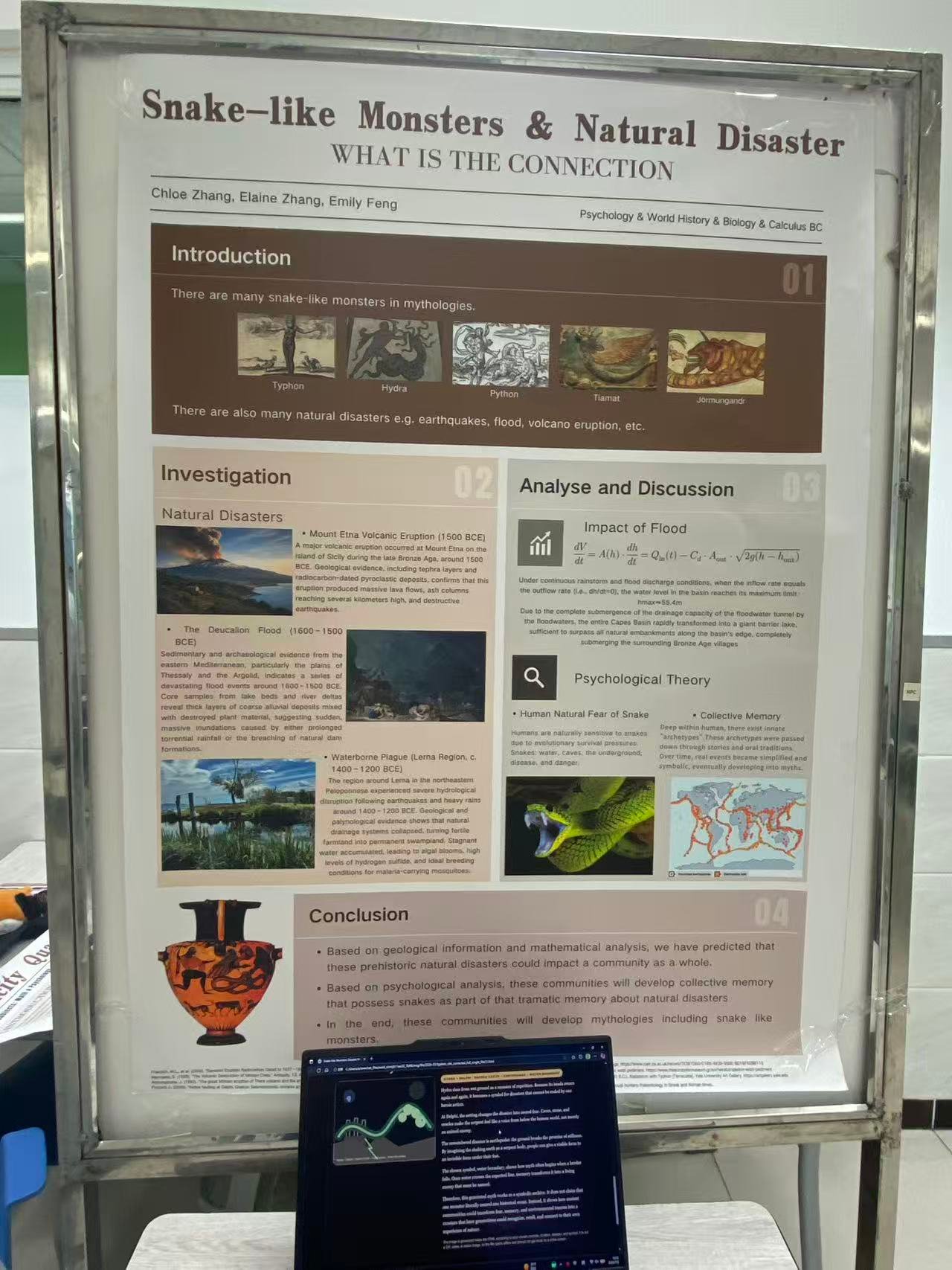
Snake-like Monsters and Natural Disasters
A PBL project that cross the field of mythology, history, geology, math, psychology, and biology.
Producing an interactive website at the end !
Inspiration
We are a group of World History students who are interested in mythology, like Greek and Roman, Norse, Mesoptamian....
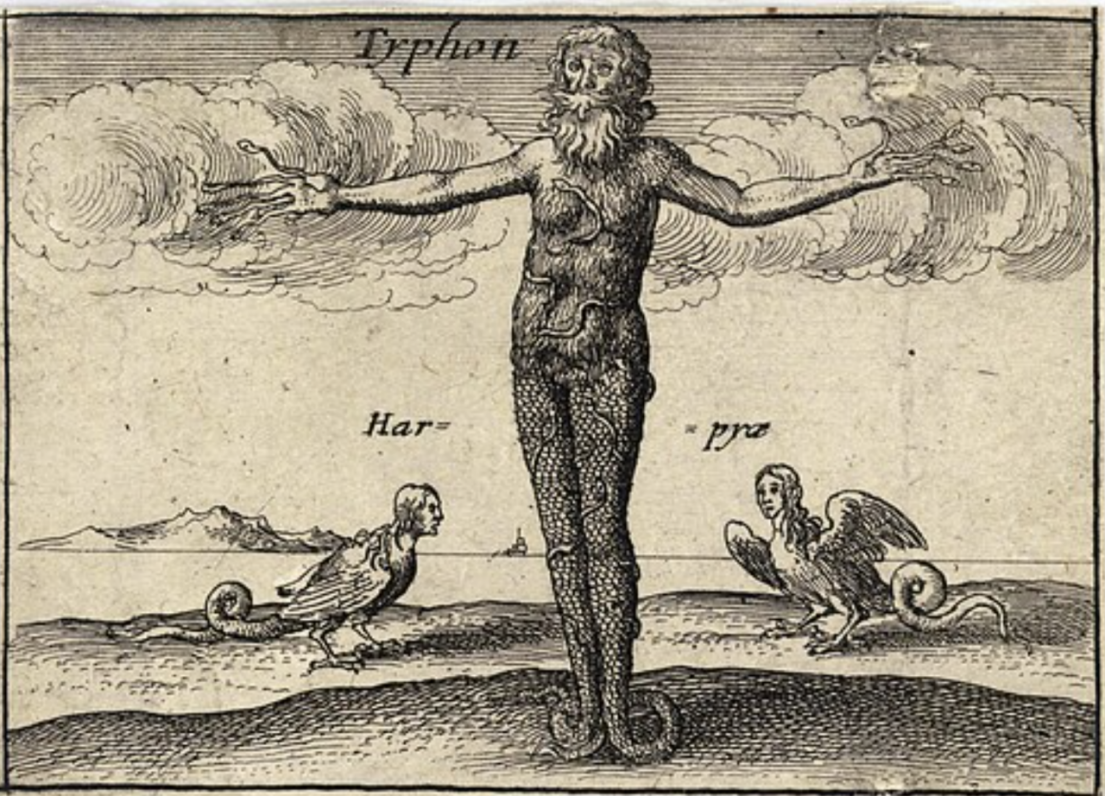
Typhon
A monstrous serpentine giant, one of the most terrifying and powerful monsters in Greek mythology. He was the son of Gaia (Earth) and Tartarus, born as a monstrous force of vengeance after Gaia became angered by Zeus’s defeat of the Titans.
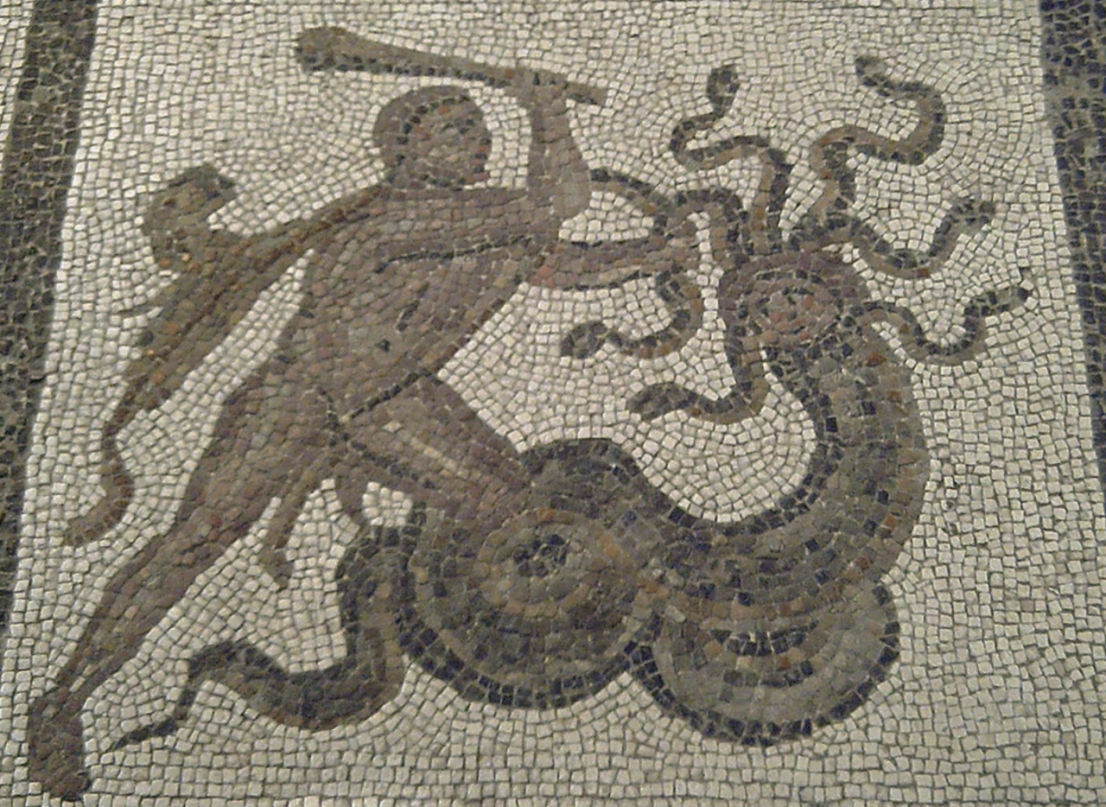
Hydra
The daughter of Typhon and Echidna. Ancient sources differ on the exact number of its heads, describing anywhere from five to one hundred, but the most common tradition depicts it with nine heads. One of these heads was immortal, making the creature especially difficult to destroy.
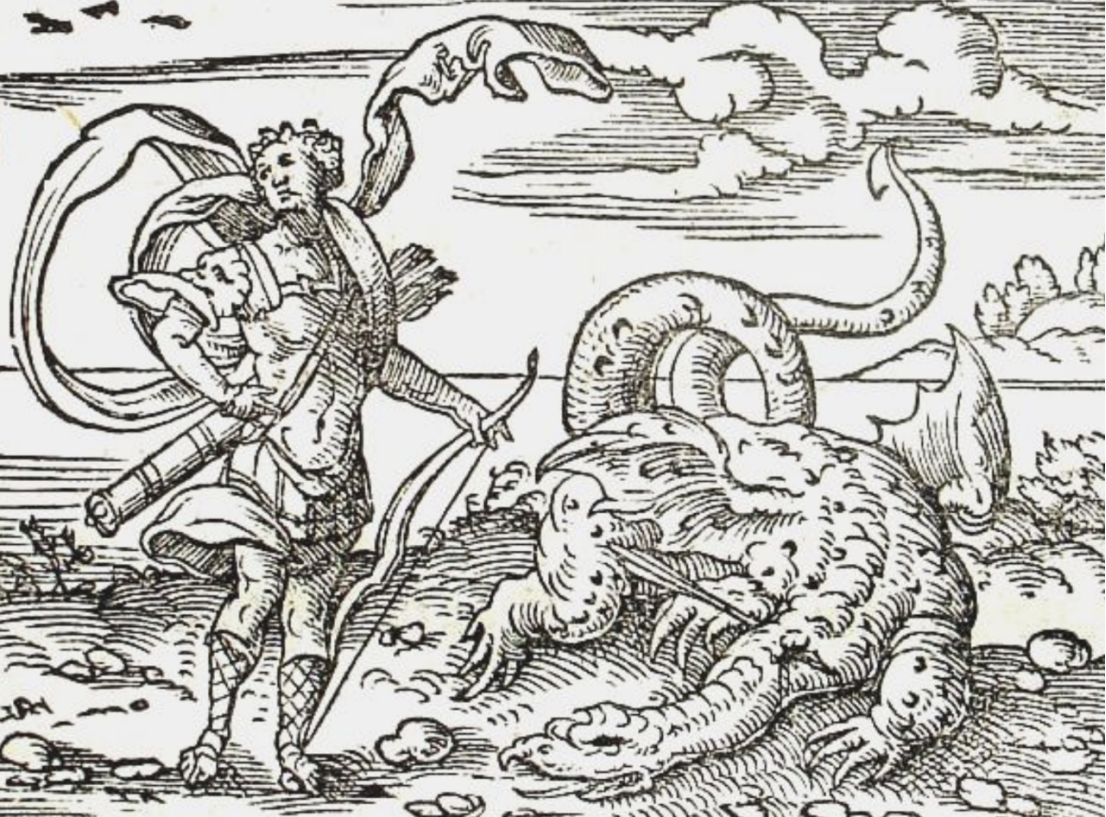
Python
A gigantic serpent or dragon in Greek mythology that dwelled at Delphi, one of the most sacred religious sites in ancient Greece. It was closely connected to prophecy, the earth, and ancient divine powers. According to tradition, the serpent guarded the sacred sanctuary of the earth goddess Gaia and protected the prophetic oracle that existed there before the rise of the Olympian gods.
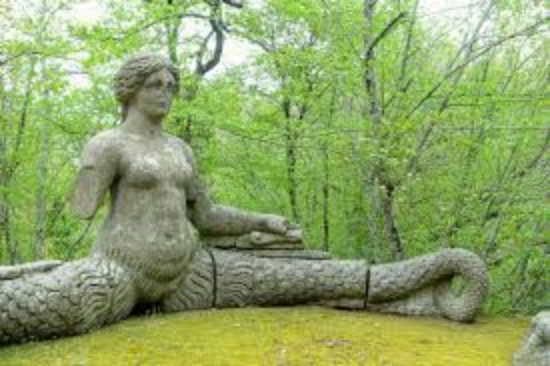
Echidna
The “Mother of Monsters". She was a hybrid being with the upper body of a beautiful woman and the lower body of a giant serpent. Ancient poets described her as both alluring and horrifying, combining human intelligence and beauty with the deadly power of a snake.
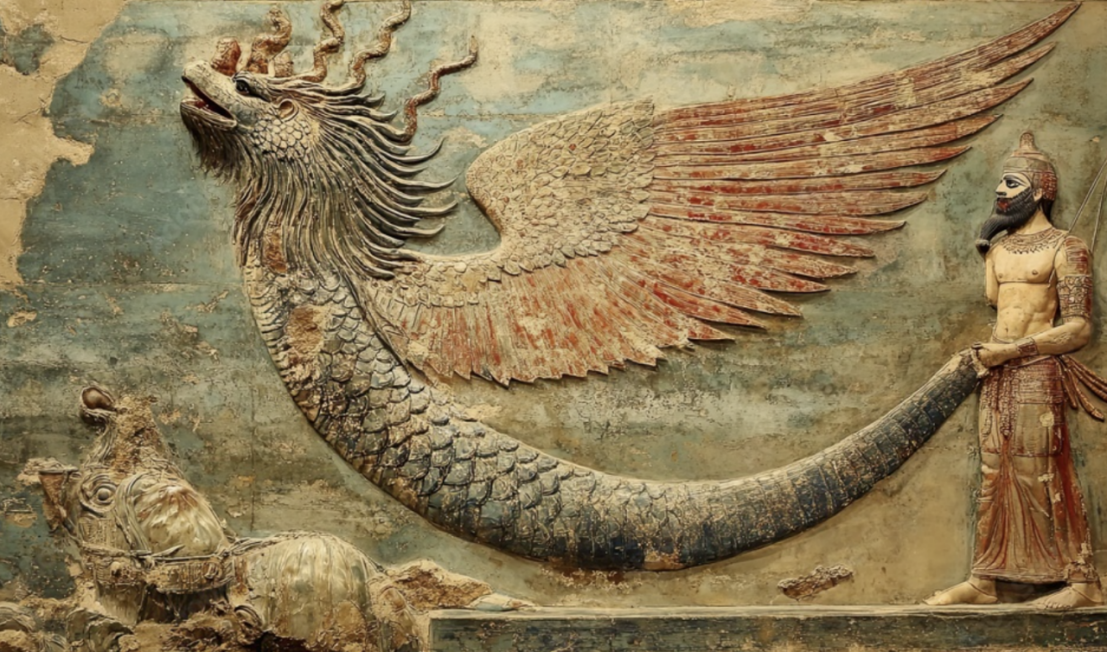
Tiamat
The primordial goddess of the salt sea, representing chaos, creation, and the raw, untamed forces of nature. She is a central figure in the Babylonian creation epic, the Enuma Elish.
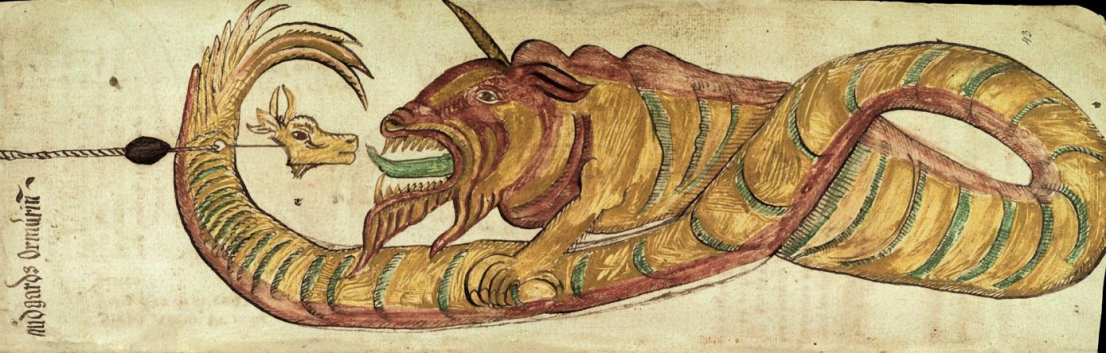
Jörmungandr
Also known as the Midgard Serprent or World Serprent in Norse mythology, is a colossal sea serpent that encircles the entire world of humans (Midgard). Its name translates to "Huge Monster" or "Great Wand."
These include many snake like monsters from Greek & Roman mythology, Norse mythology, and Mesoptamian mythology.
Here are the myths that we hopes to focus on ...
And the question came: where does them came from? Where they got the inspiration?
Which leads us to ancient natural disasters...
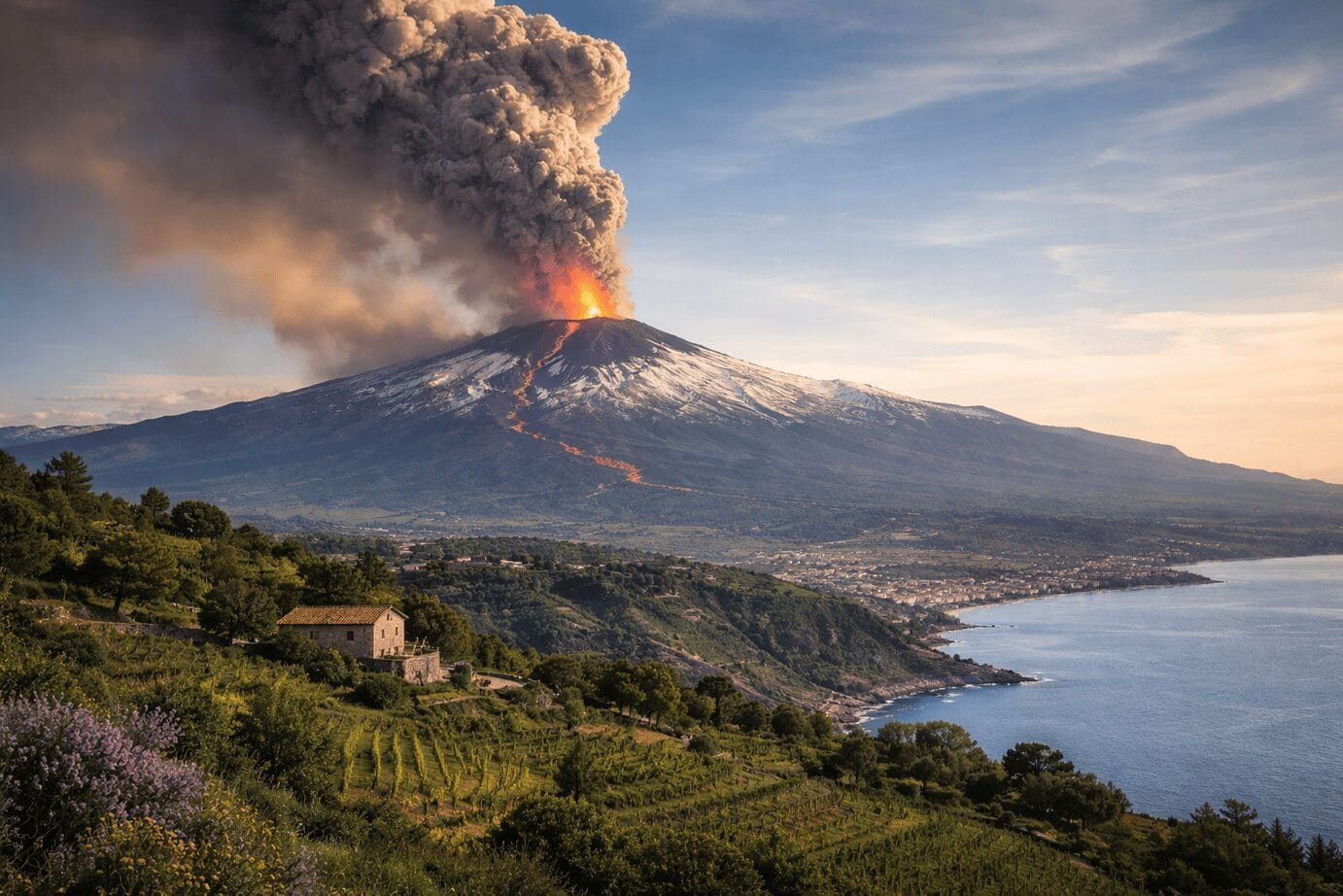
Mount Etna Volcanic Eruption (1500 BCE)
A major volcanic eruption occurred at Mount Etna on the island of Sicily during the late Bronze Age, around 1500 BCE. Geological evidence, including tephra layers and radiocarbon-dated pyroclastic deposits, confirms that this eruption produced massive lava flows, ash columns reaching several kilometers high, and destructive earthquakes.
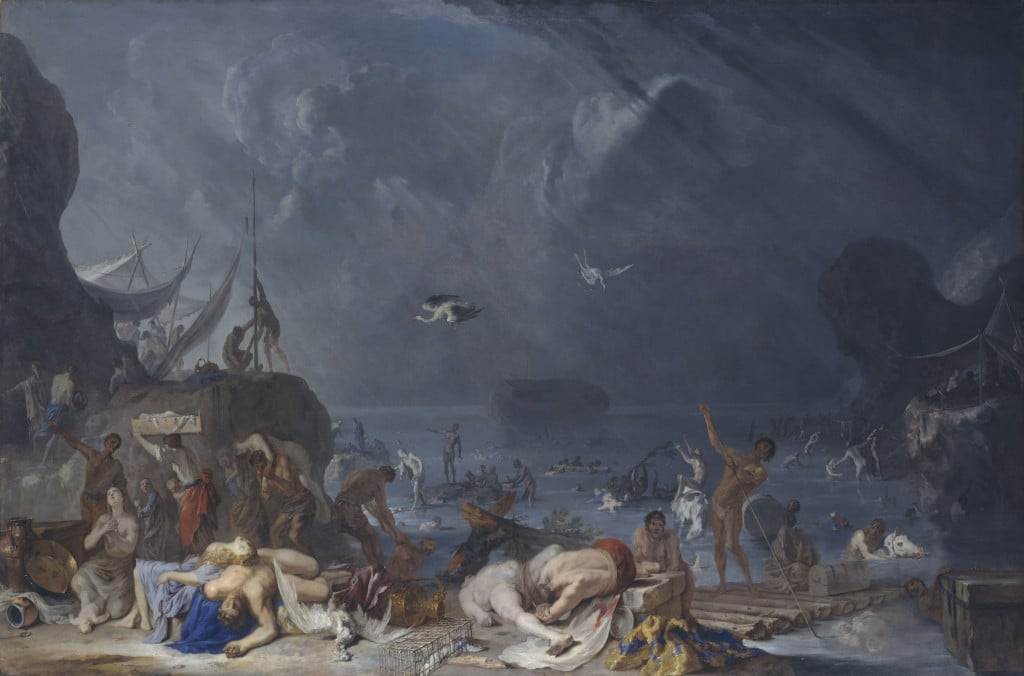
The Deucalion Flood (1600–1500 BCE)
Sedimentary and archaeological evidence from the eastern Mediterranean, particularly the plains of Thessaly and the Argolid, indicates a series of devastating flood events around 1600–1500 BCE. Core samples from lake beds and river deltas reveal thick layers of coarse alluvial deposits mixed with destroyed plant material, suggesting sudden, massive inundations caused by either prolonged torrential rainfall or the breaching of natural dam formations.
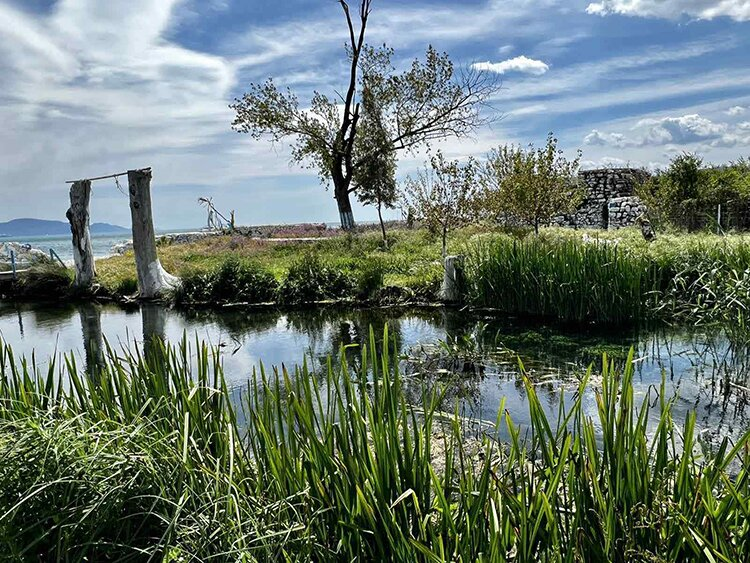
Waterborne Plague (1400–1200 BCE)
The region around Lerna in the northeastern Peloponnese experienced severe hydrological disruption following earthquakes and heavy rains around 1400–1200 BCE. Geological and palynological evidence shows that natural drainage systems collapsed, turning fertile farmland into permanent swampland. Stagnant water accumulated, leading to algal blooms, high levels of hydrogen sulfide, and ideal breeding conditions for malaria-carrying mosquitoes.
The connection between these 2 needs careful analysis...
Taking Ducalion Flood as an example...

Where Q in(t) is the inflow rate of floodwater caused by rainstorm and dam breach; A(t) is the average area of water inundation in the Copias Basin; Aout is the total cross-sectional area of the natural water-discharging tunnel on the east side; Cd is the outflow coefficient of the water elimination tunnel; and h(t), our final conclusion, is the relative to the instantaneous water depth at the bottom of the basin.
Under continuous rainstorm and flood discharge conditions, when the inflow rate equals the outflow rate (i.e., dh/dt=0), the water level in the basin reaches its maximum limit:hmax≈55.4m.
Due to the complete submergence of the drainage capacity of the floodwater tunnel by the floodwaters, the entire Capes Basin rapidly transformed into a giant barrier lake, sufficient to surpass all natural embankments along the basin's edge, completely submerging the surrounding Bronze Age villages
We use similar analysis for other situations...
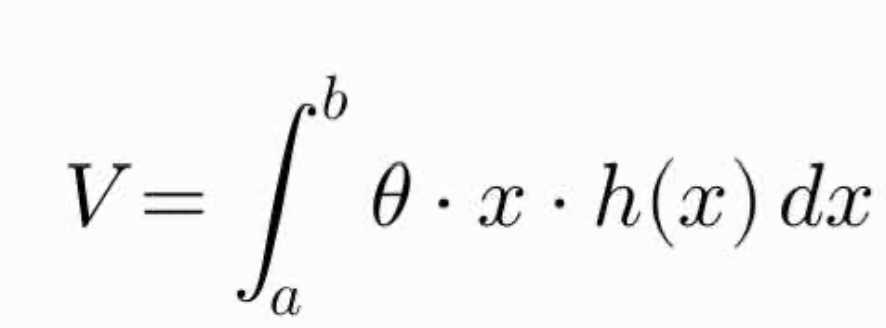
Formula for the Volcanic Eruption
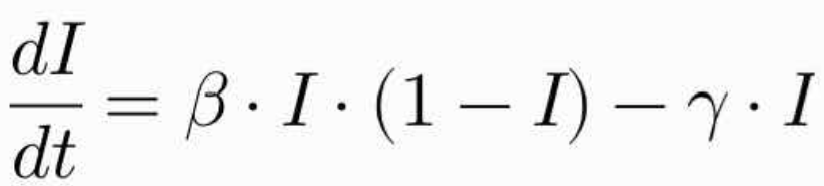
Formula for plague spread
Psychology Analysis
Why Serpent Monsters?
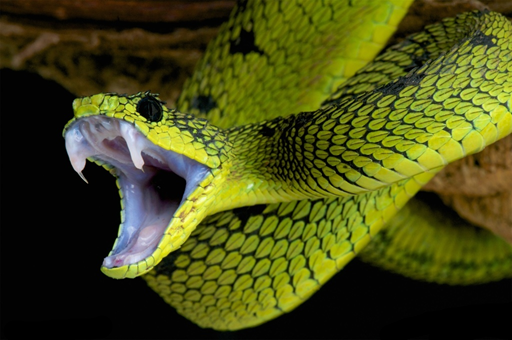
-Human's Natural Fear of Snake
Humans are naturally sensitive to snakes due to evolutionary survival pressures.
Snake-like shapes are detected more quickly than many other animals. Snakes were associated with water, caves, the underground, disease, and danger.
Many disaster-prone environments, such as swamps and caves, were also habitats for snakes.
As a result, snakes became a universal symbol of danger and threat, as well as chaos and destructive natural forces.
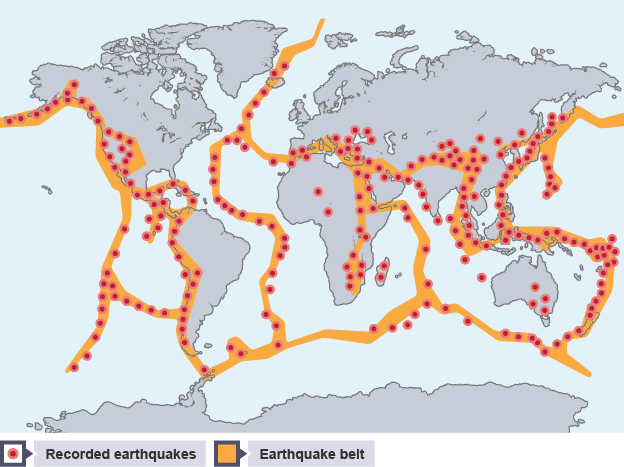
- Personification of Natural Disasters
Ancient people could not scientifically explain floods, earthquakes, or volcanic eruptions. They often believed that a powerful being was responsible for these events.
Natural forces were gradually transformed into monsters or supernatural creatures.
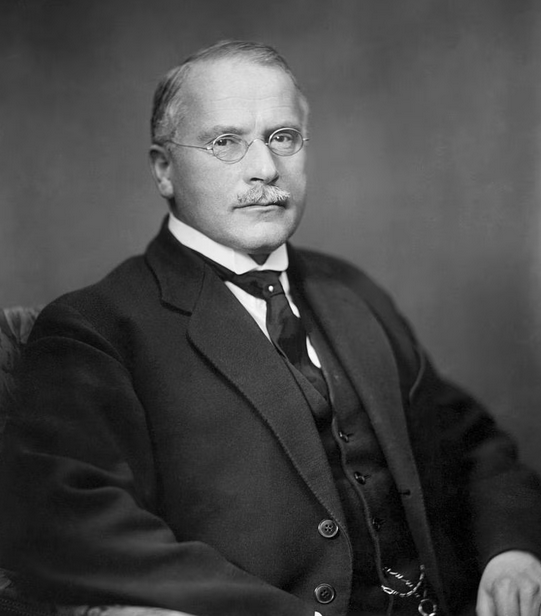
-Collective Memory
As proposed by Carl Jung, deep within human, there exist innate "archetypes" that transcend cultures and eras. Archetypes themselves are empty forms that need to be activated and filled through real-life experiences. Like major natural disasters left strong impressions on communities.
These memories were passed down through stories and oral traditions.
Over time, real events became simplified and symbolic, eventually developing into myths.
Conclusion
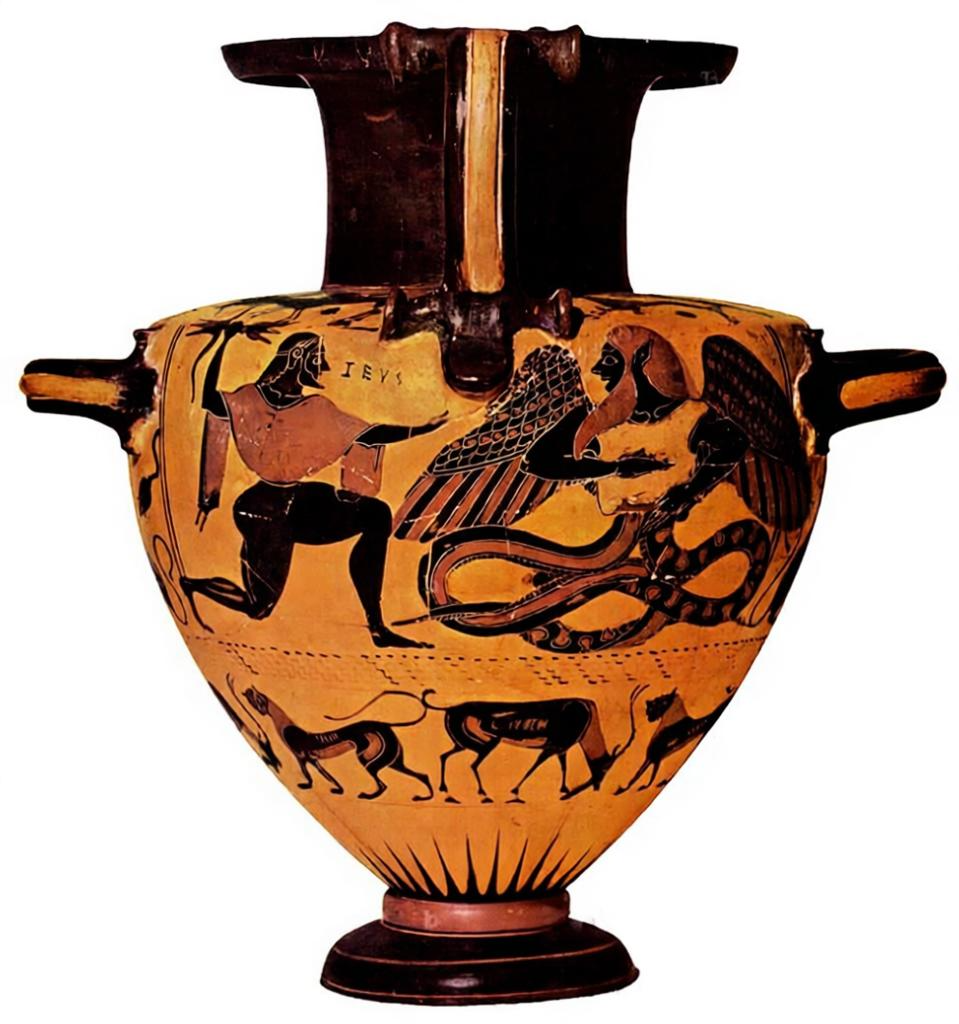
- Based on geological information and mathematical analysis, we have predicted that these prehistoric natural disasters could impact a community as a whole.
- Based on psychological analysis, these communities will develop collective memory that possess snakes as part of that tramatic memory about natural disasters
- In the end, these communities will develop mythologies including snake like monsters.
Our Production
An interactive website that could experience how a myth is born and create your own mythology !
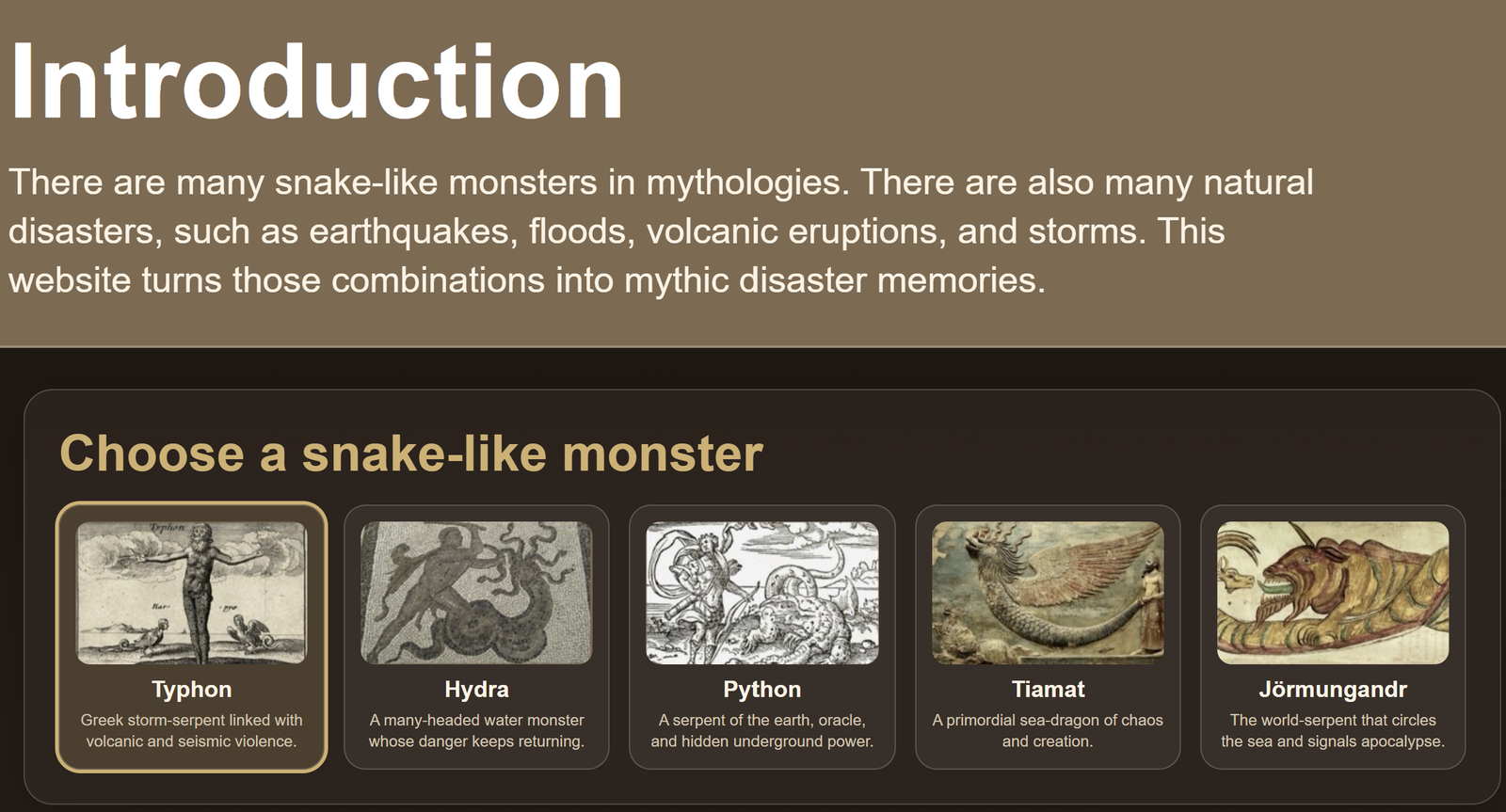
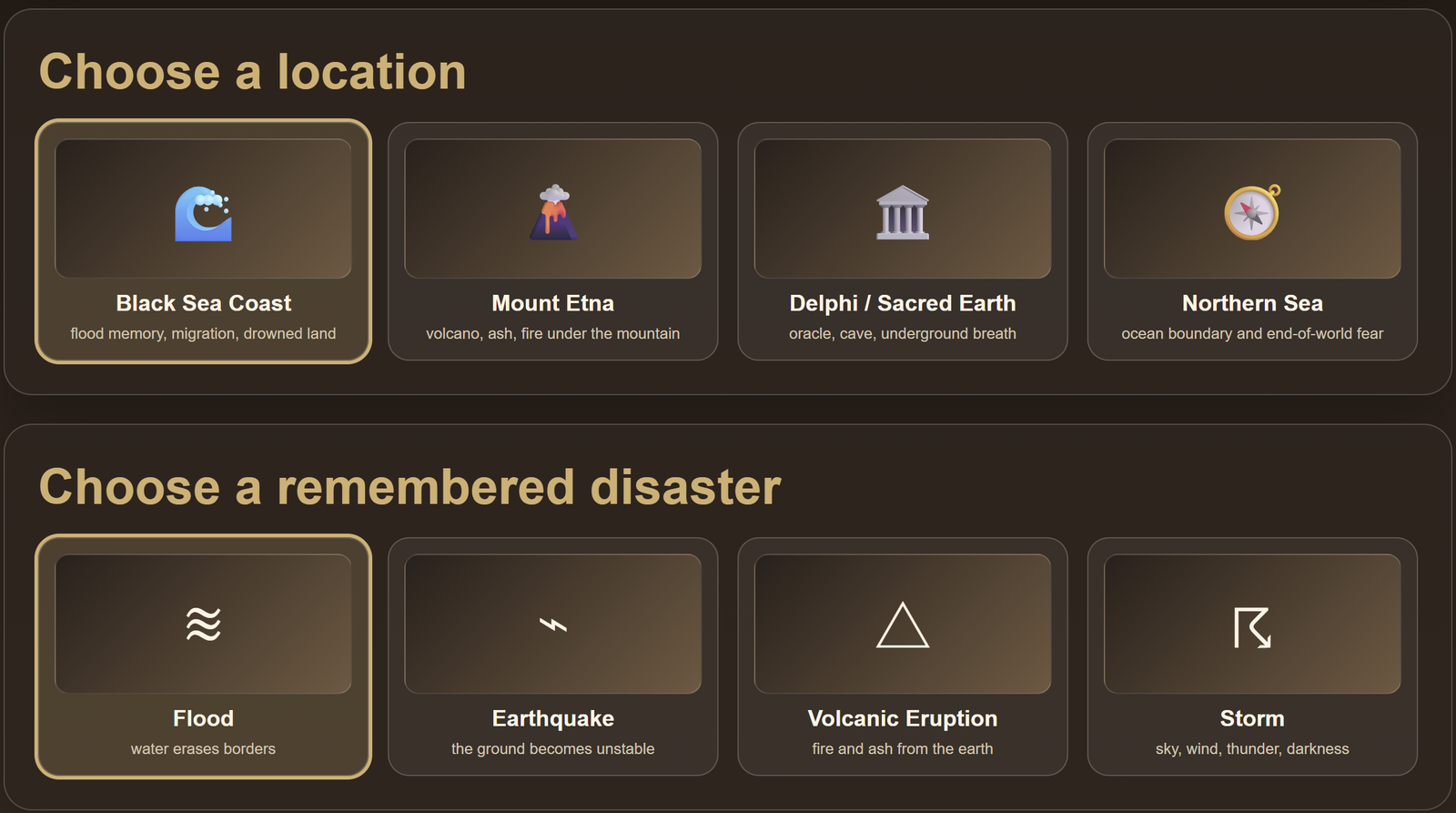
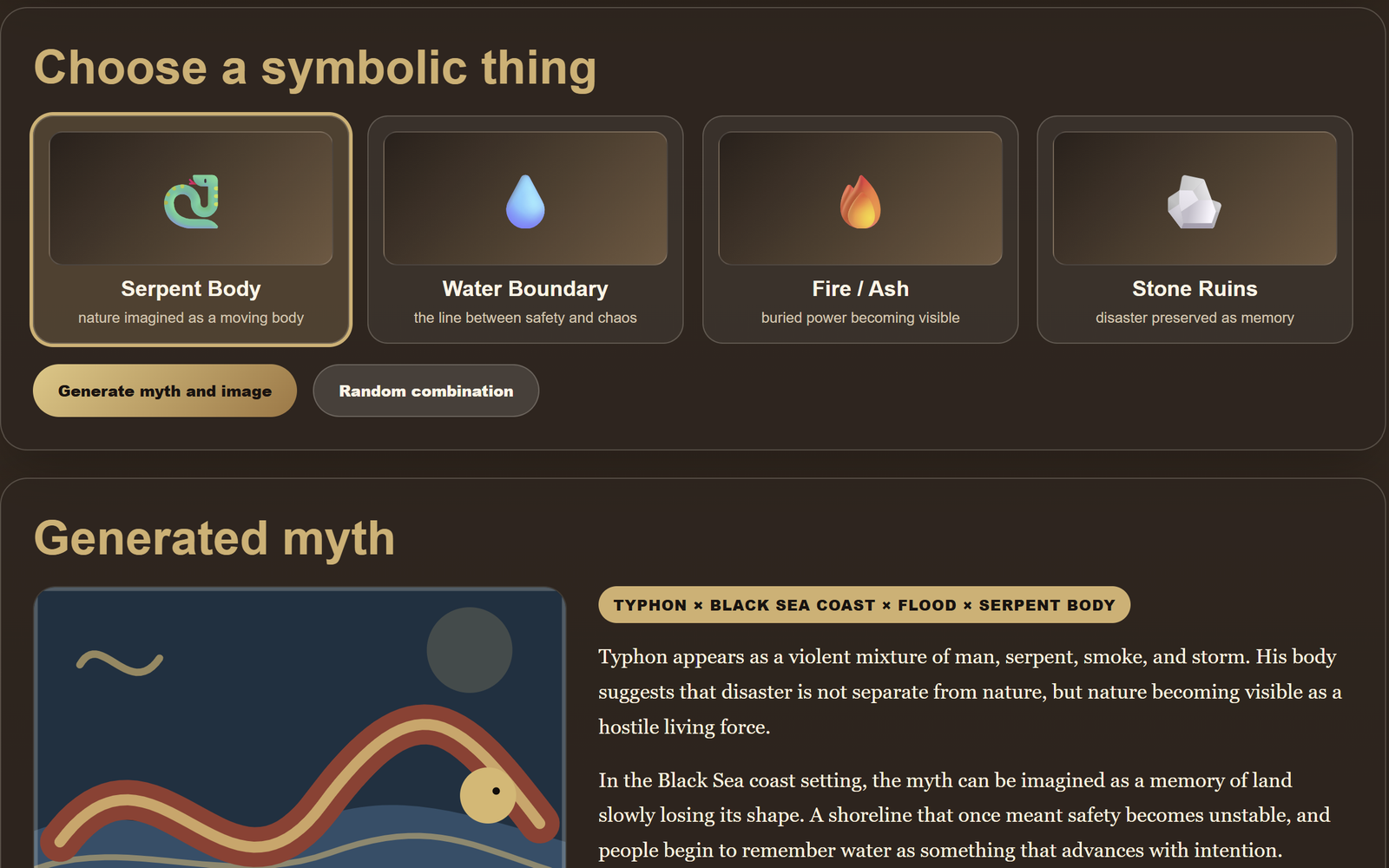
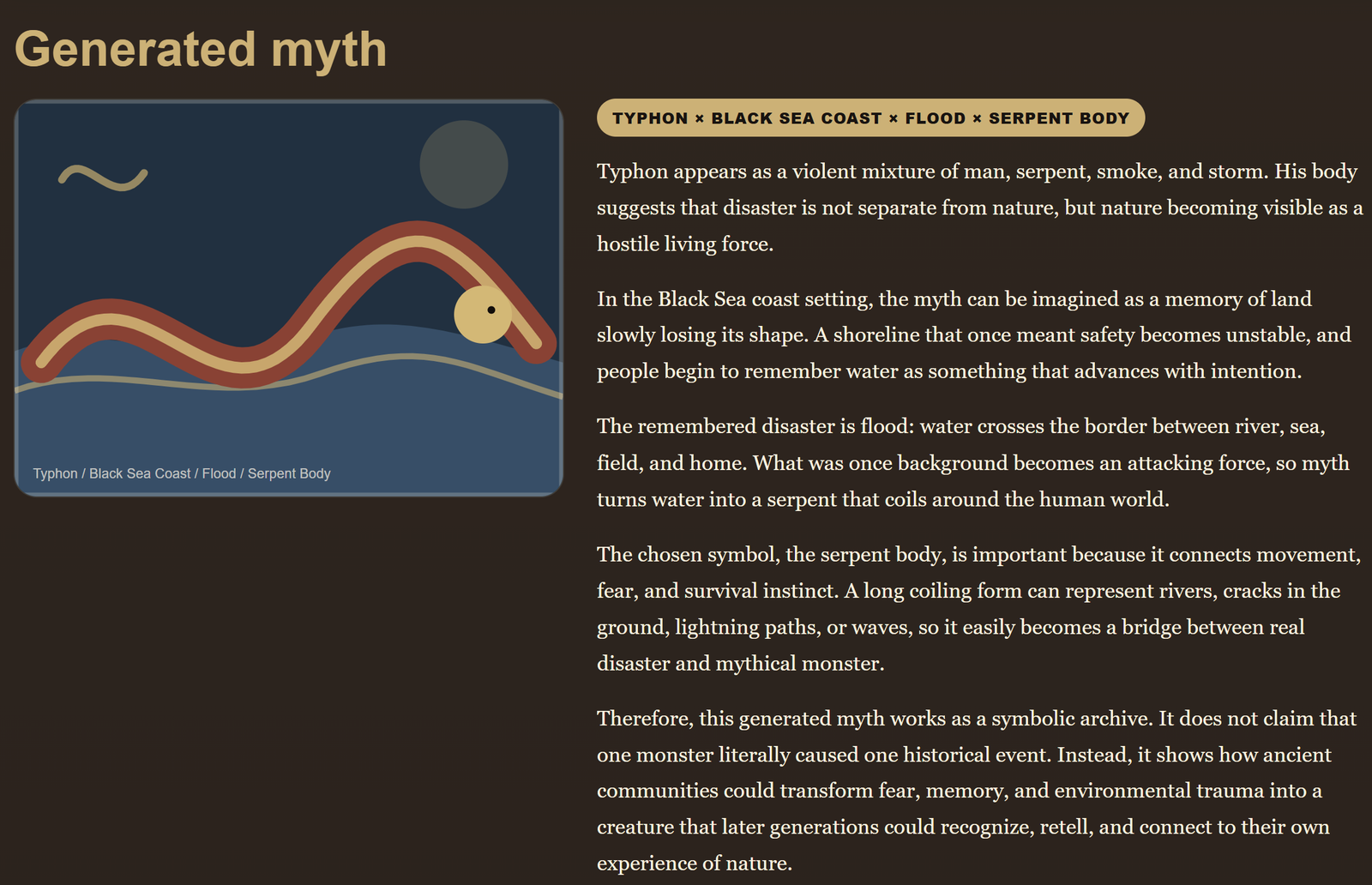
In our website, by selecting 4 elements: the monster, location, disaster, and symbol, you can create a myth on your own!