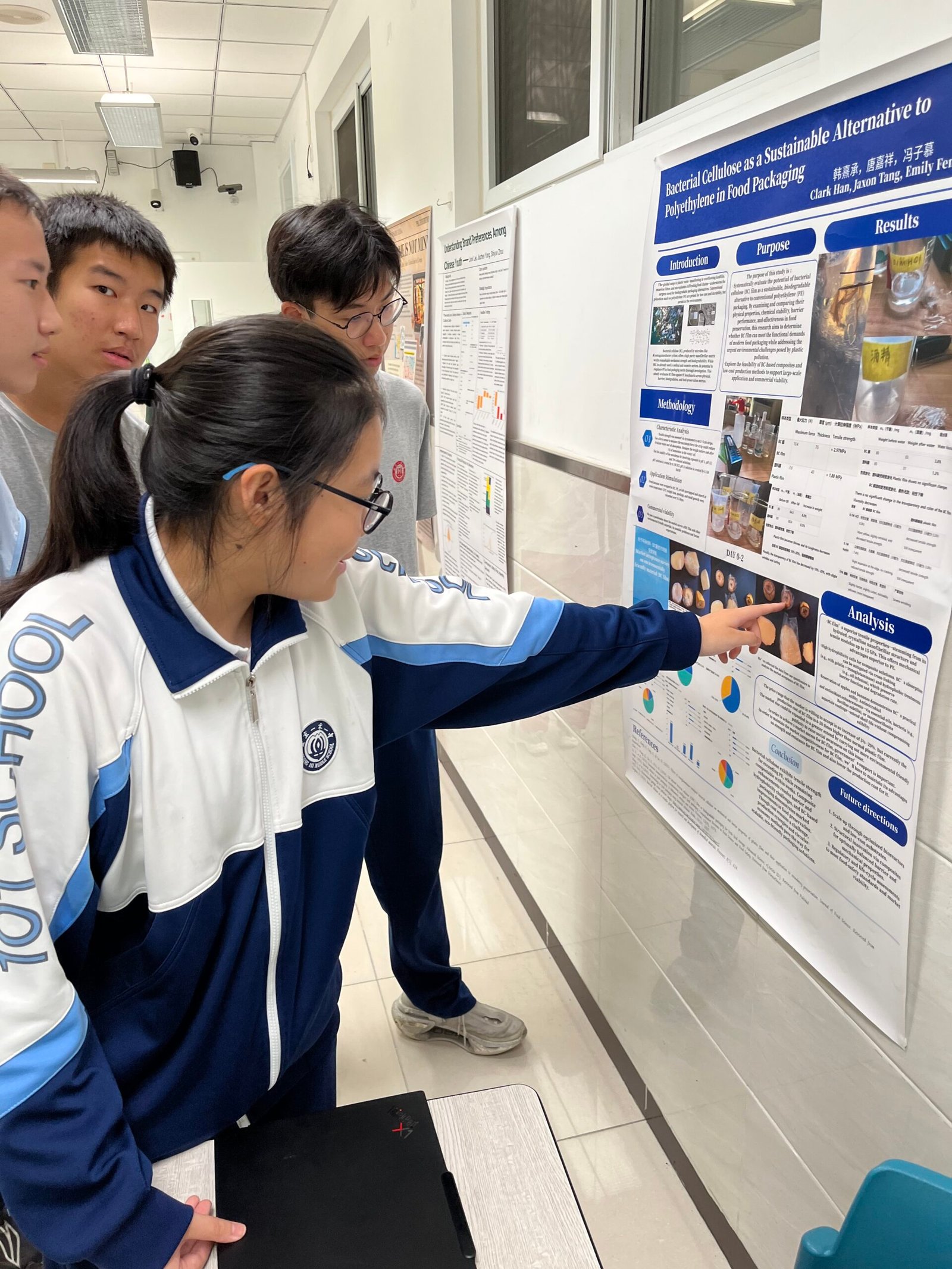
My Problem Based Learning project of the first year (Grade 10)
Bacterial Cellulose (BC) Film
A project that combines chemistry + economics
Inspiration
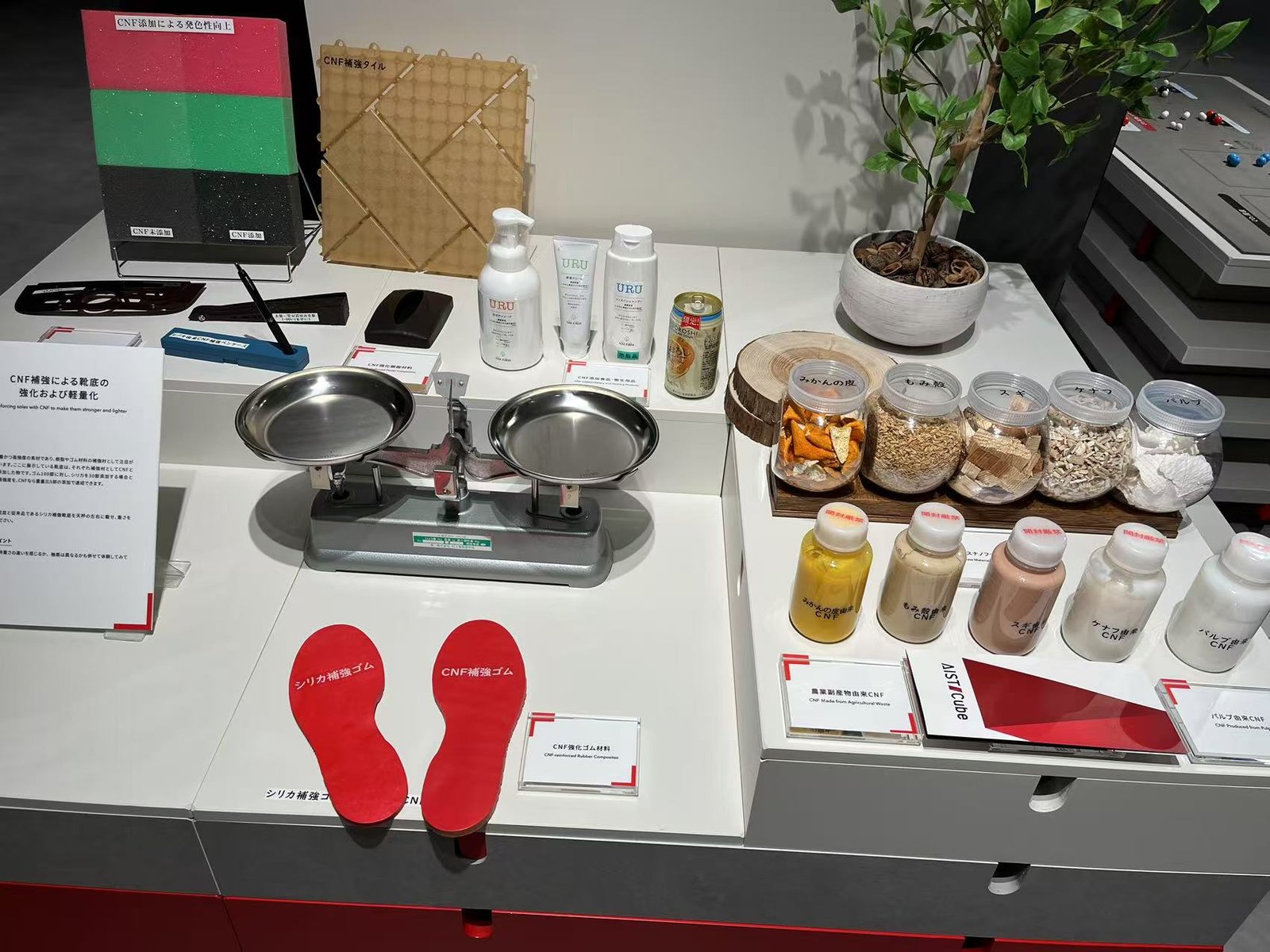
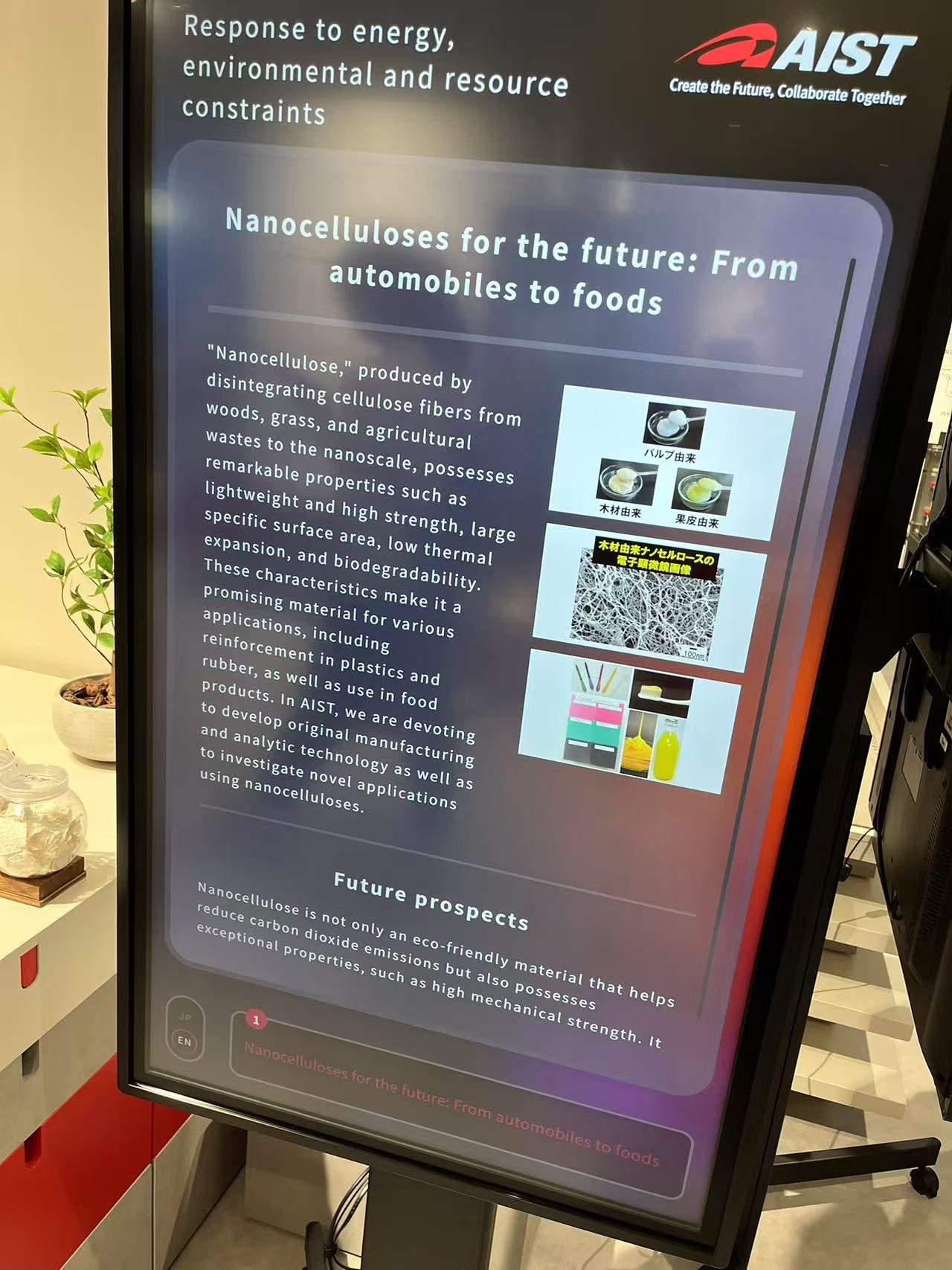
I got the inspiration of this film through my trip to Japan, during a visit to Japan’s National Institute of Advanced Industrial Science and Technology (AIST). I learnt about nanocellulose, a plant-derived form of cellulose with nanoscale structures. While it's biodegradable, it also offers high strength and a low coefficient of thermal expansion. This combination of sustainability and engineering performance made me want to study and explore its potential applications.
The problem...
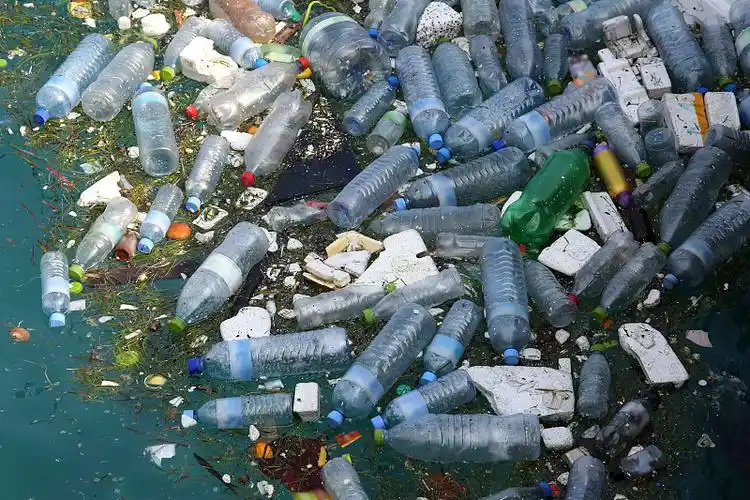
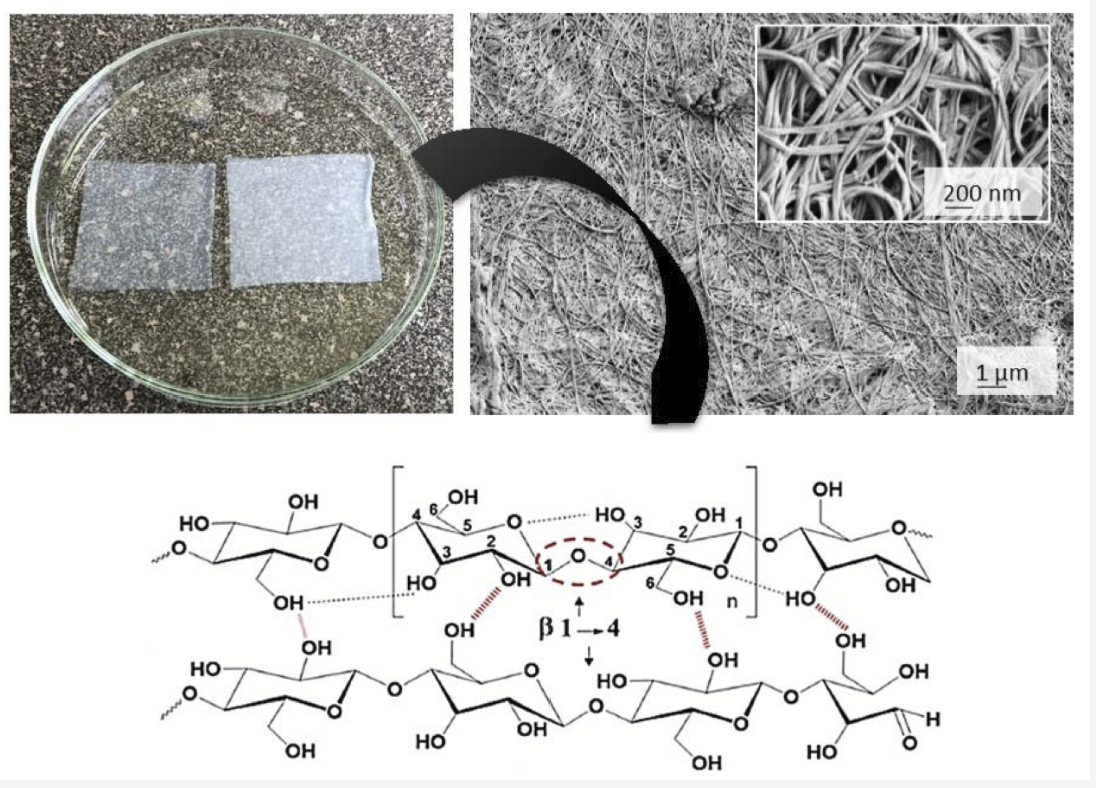
The global surge in plastic waste, like manifesting in overflowing landfills, marine litter, and microplastics infiltrating food chains, underscores the urgent need for biodegradable packaging alternatives. Conventional plastics such as polyethylene (PE) are prized for low cost and durability, but persist in the environment.
Bacterial cellulose (BC), produced by microbes like Komagataeibacter xylinus, offers a high-purity nanofibrillar matrix with remarkable mechanical strength and biodegradability.While BC is already used in medical and cosmetic sectors, its potential to replace PE in food packaging merits thorough investigation.
This study evaluates BC films against PE benchmarks across physical, barrier, biodegradation, and food-preservation metrics.
The experiment
What we will do is a comparative experiment, which is to compare BC film with traditional PE film.
The trait we use for comparison is the tensile strengthen before and after treatments.
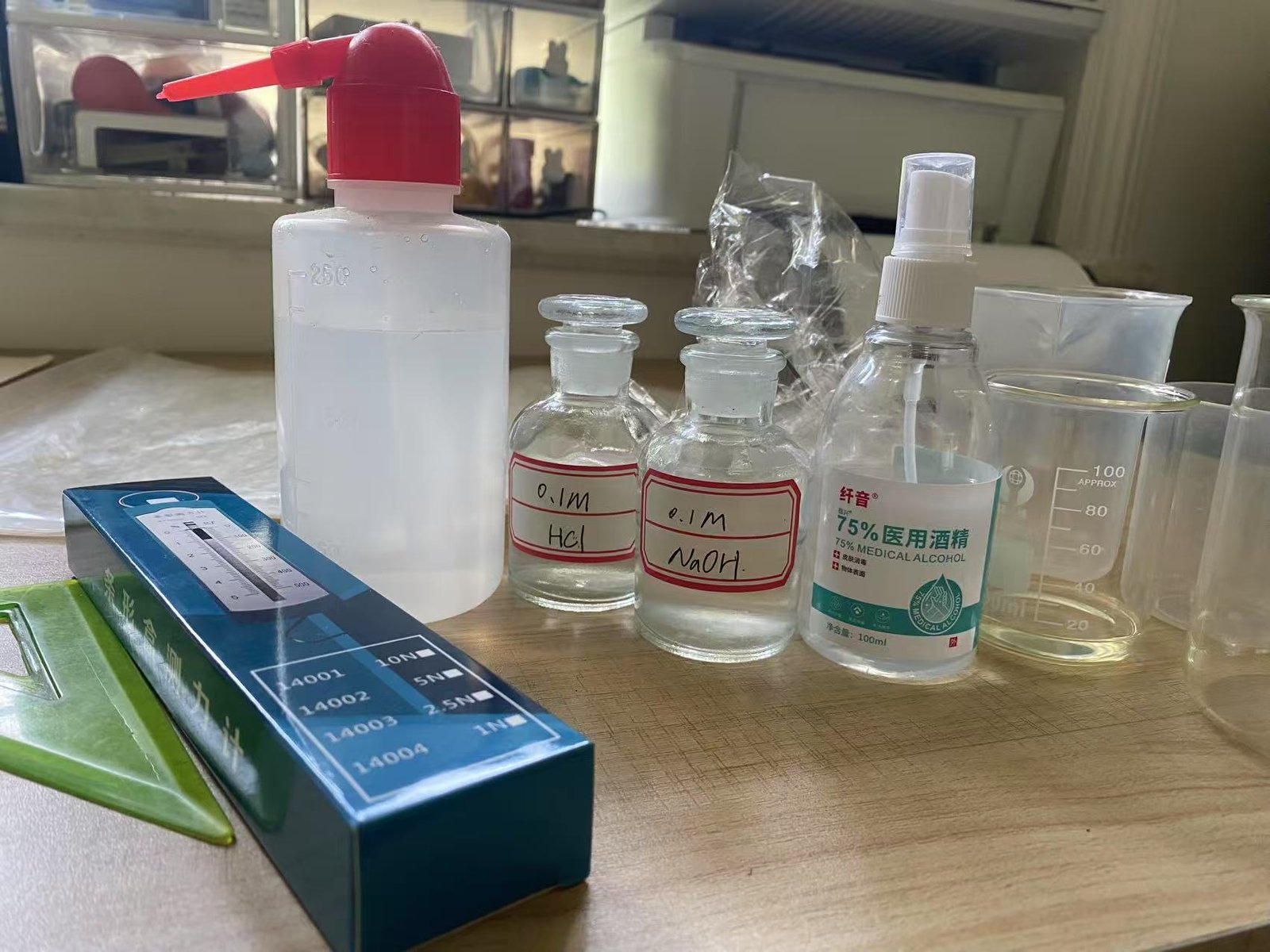
Here is the experiment setup of the whole process
As shown, here are the solutions will be used for the experiment, including the strong acid HCl, strong base NaOH, and 75% ethanol.
Water and oil are also presented for test for absorption.
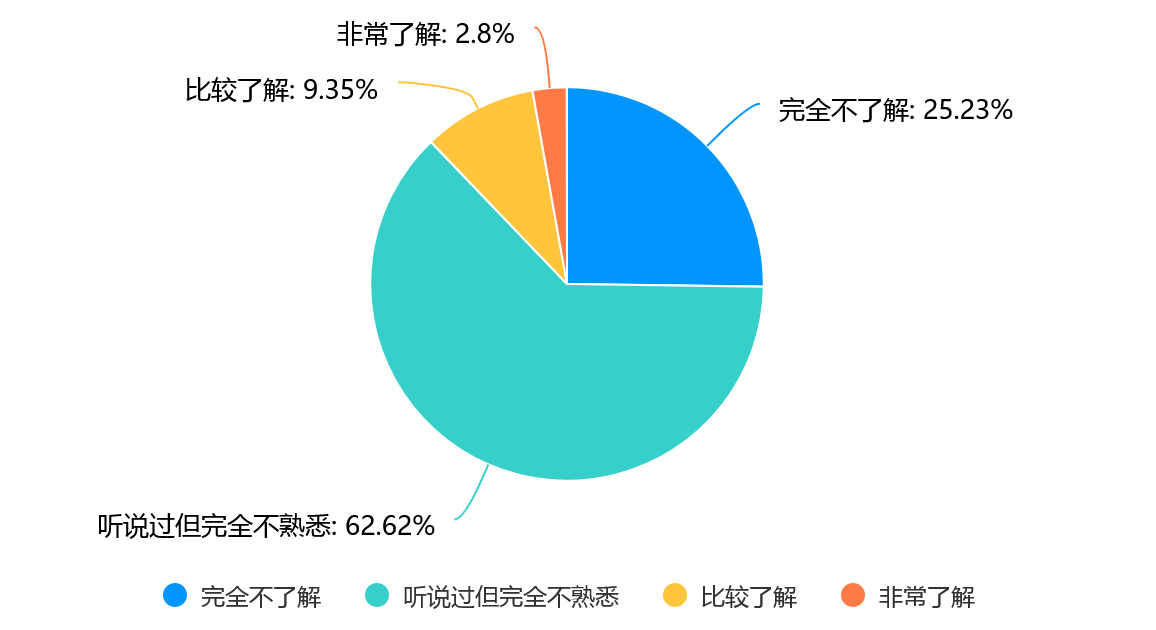
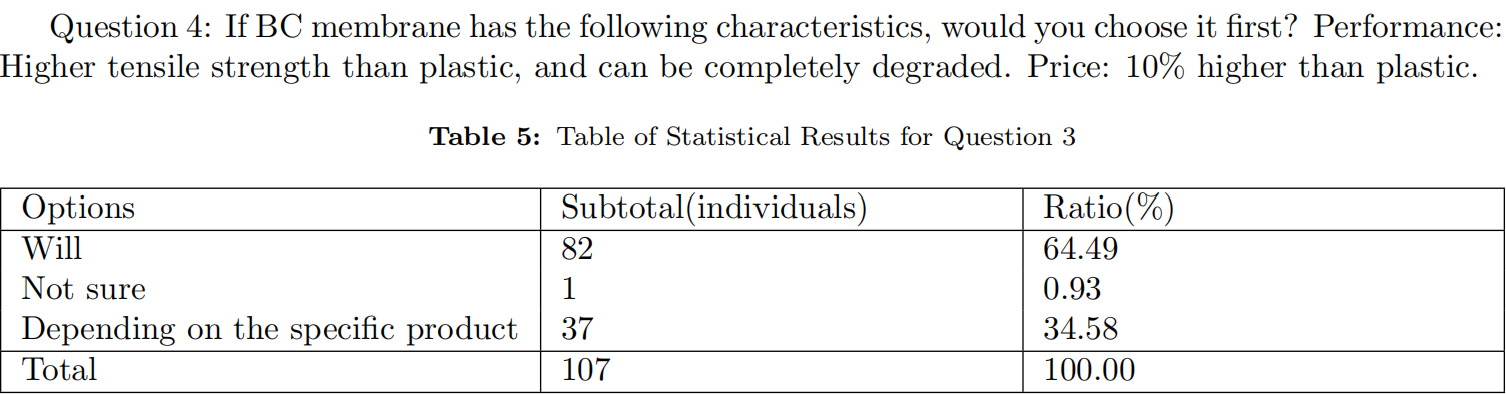
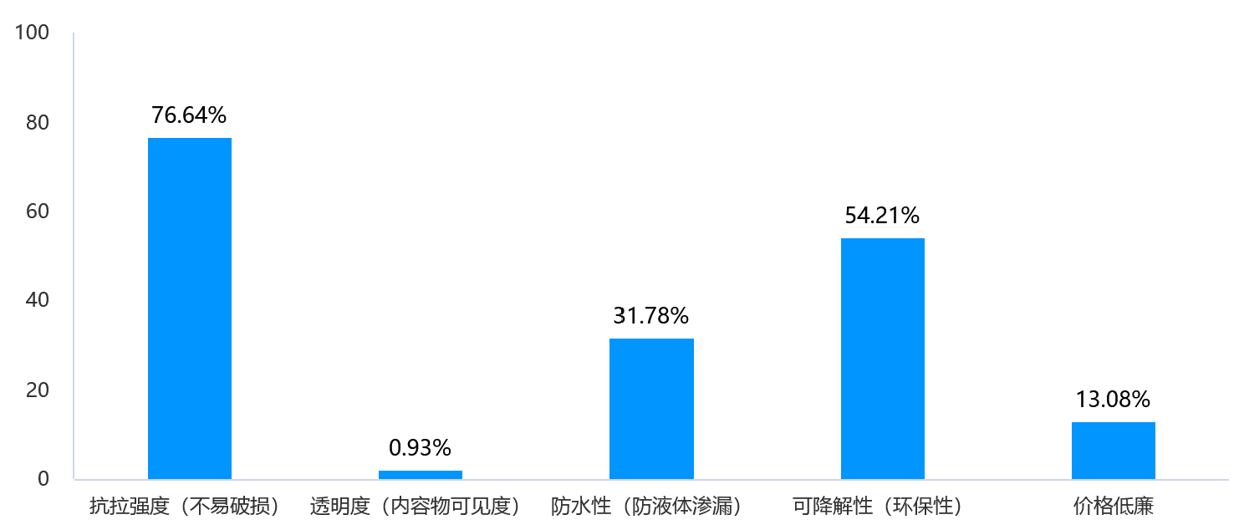
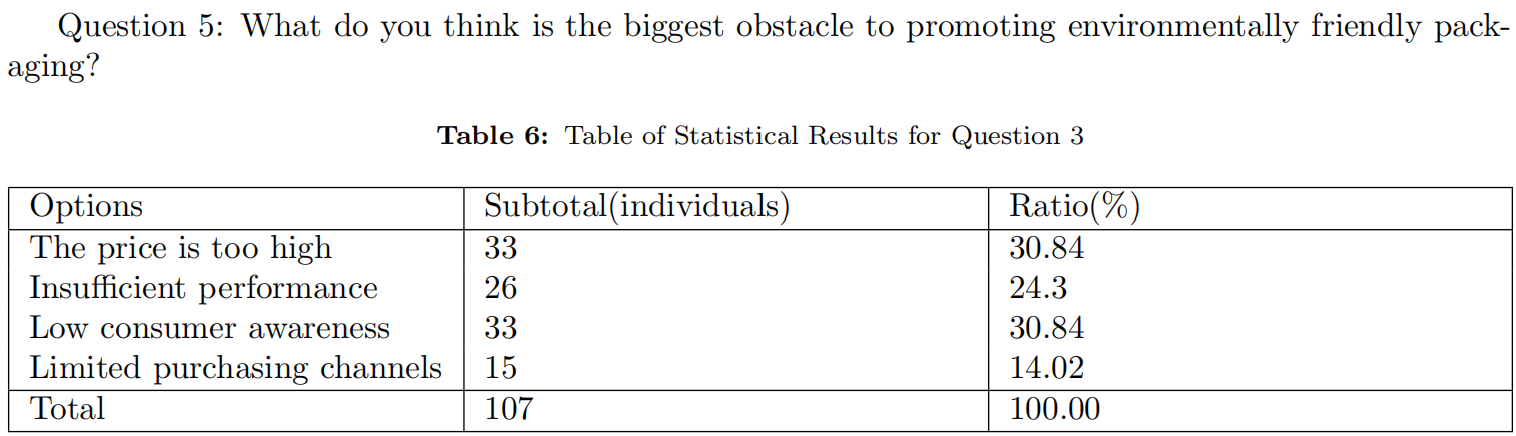
Also, we conducted a questionaire to ask about the acceptance of the makrte to these environmental-friendly materials in everyday life.
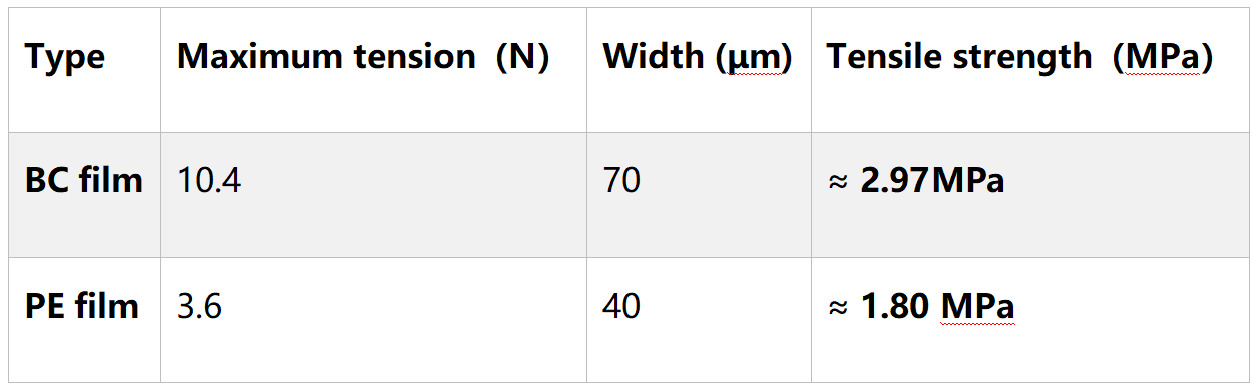
In this experiment, tensile strength was assessed on 2×5 cm strips of both films.
The tensile strength was measured uing using a force sensor to measure the maximum force the strip could endure
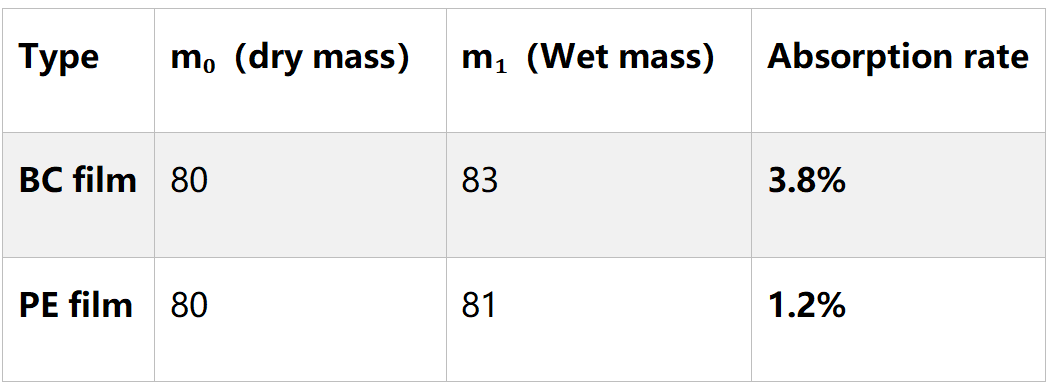
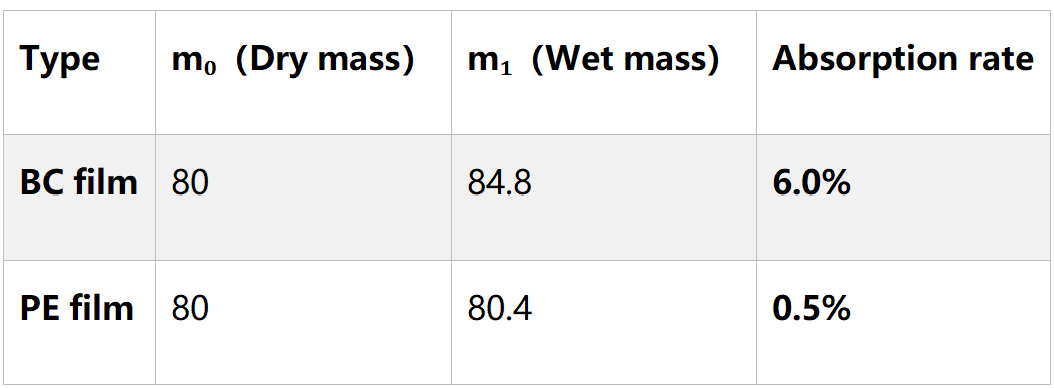
Later, I evaluated water and oil absorption of each film. This is achieved by measuring the weight before and after 1 h of immersion in the water/ oil.
Finally, I tested the stability of the film by involving exposure to pH 1, pH 13, and 70% ethanol solutions. The pH1 solution is created by 0.1M HCl, pH 13 solution is created by 0.1M NaOH
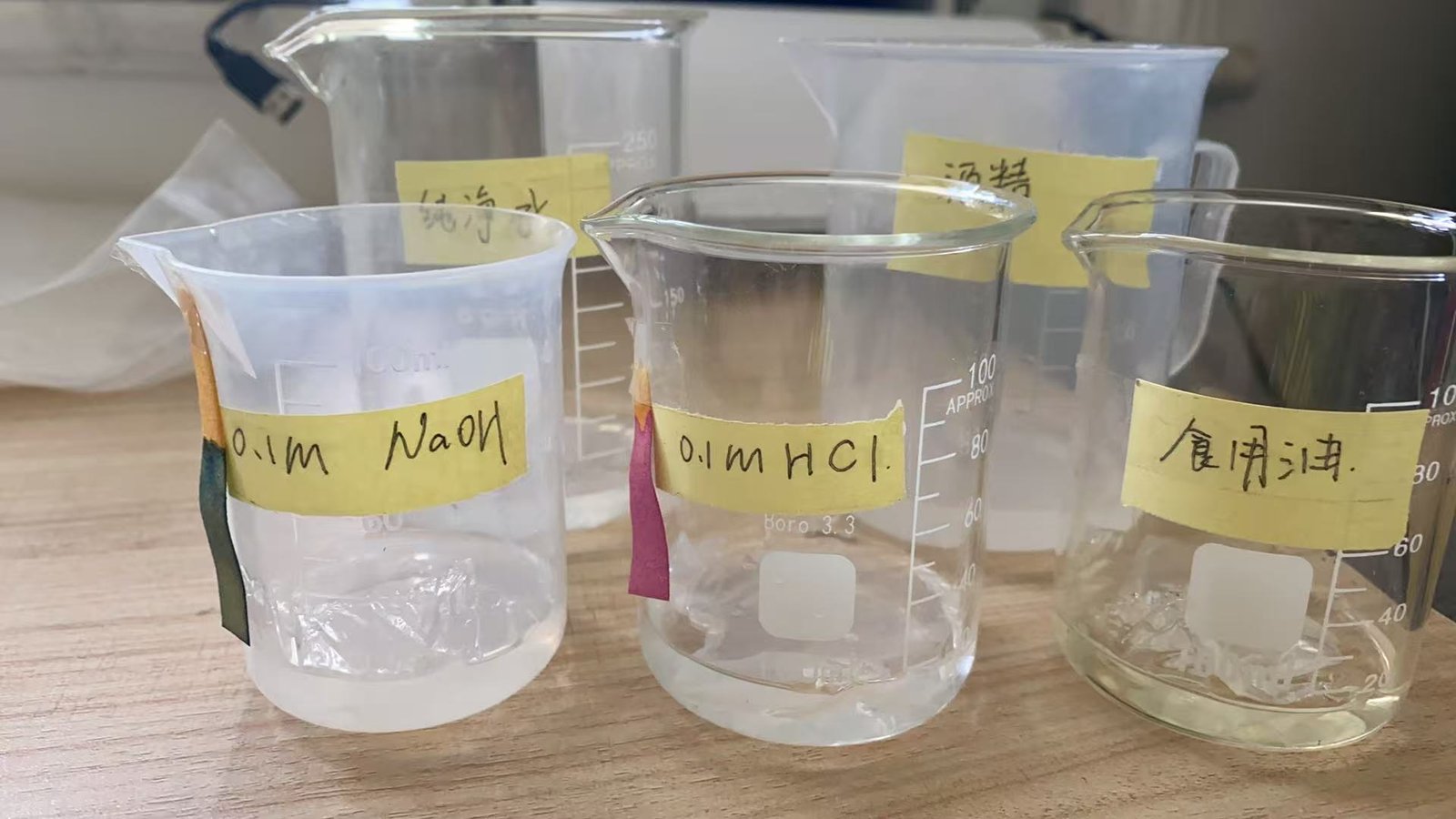
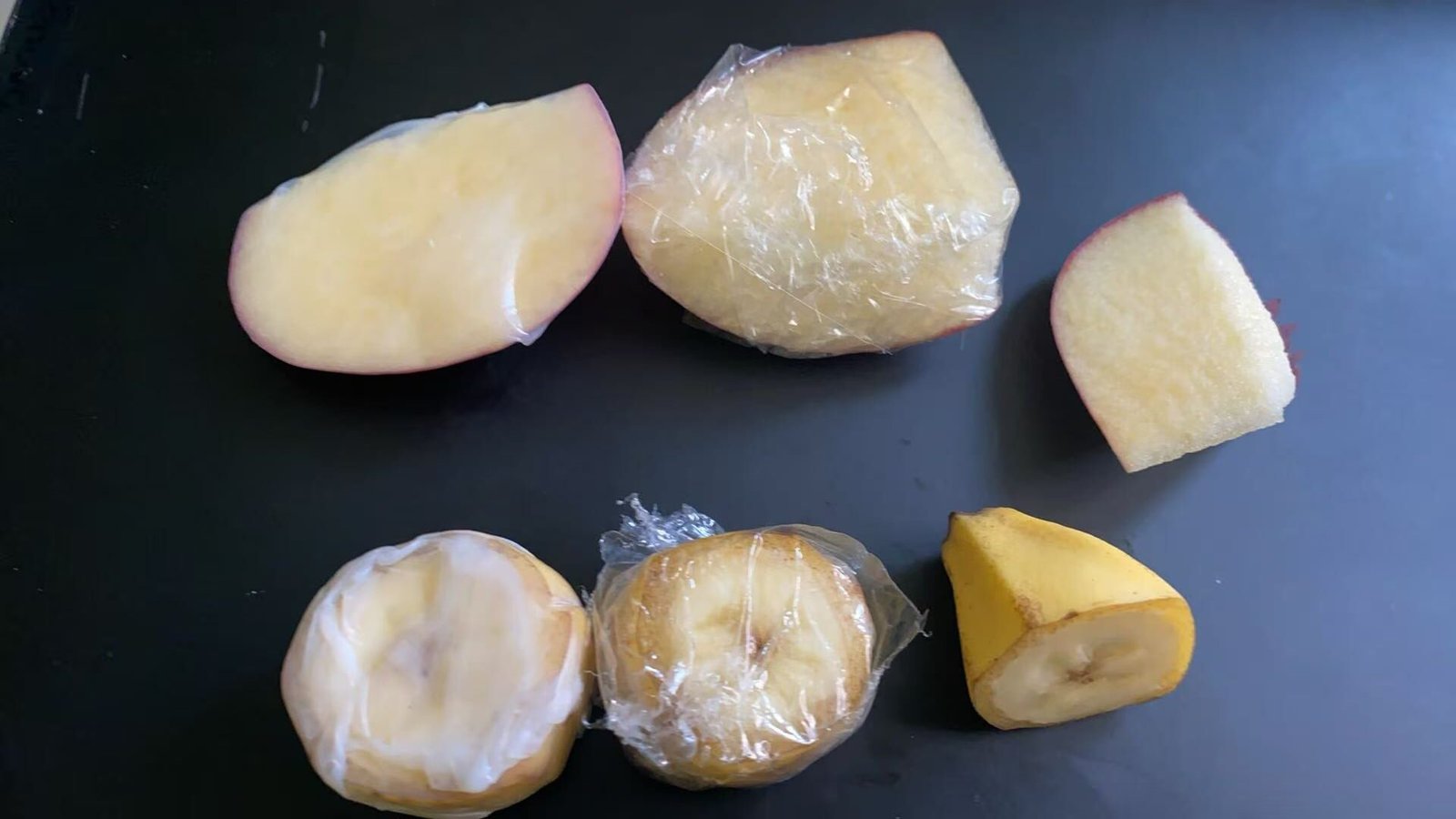
Last but not least, I tested the ability to perserve fruit, as for a test of its applications
Here I used 2 kinds of fruit, apple and banana, and observe the change of them through time.
Results
Experiments
Tensile Strength
Water Absorption
Oil Infusion
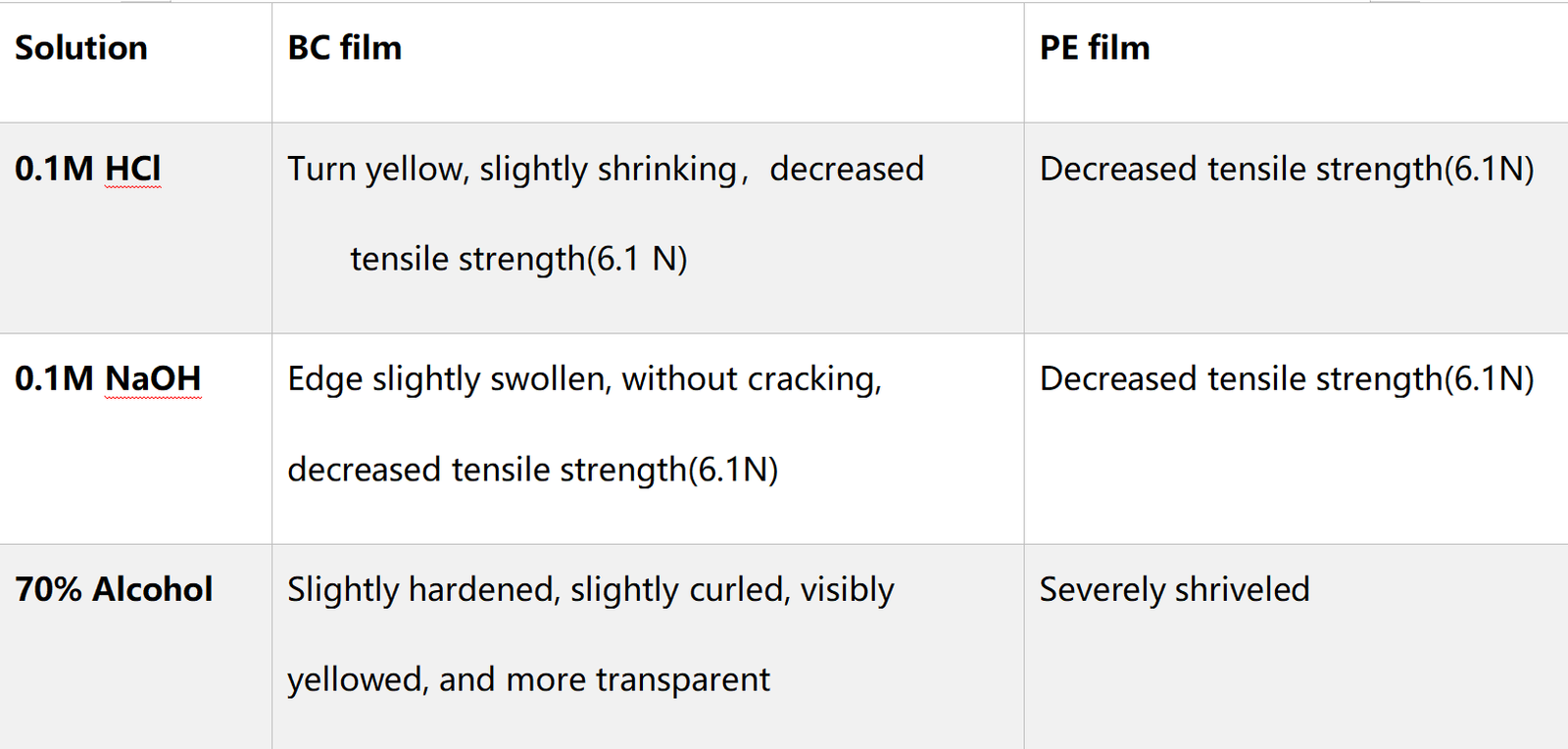
Reaction of extreme situations
BC film’s superior tensile properties, stemming from its hydrated, crystalline nanofibrillar structure and tensile modulus up to 15 GPa. This offers mechanical advantages superior to PE film.
High hydrophilicity calls for composite solutions. BC film’s absorption can be mitigated via cross-linking(e.g., with gelatin + transglutaminase) and hydrophobic treatments (e.g., oil infusion), which preserve barrier function and degradation rate.
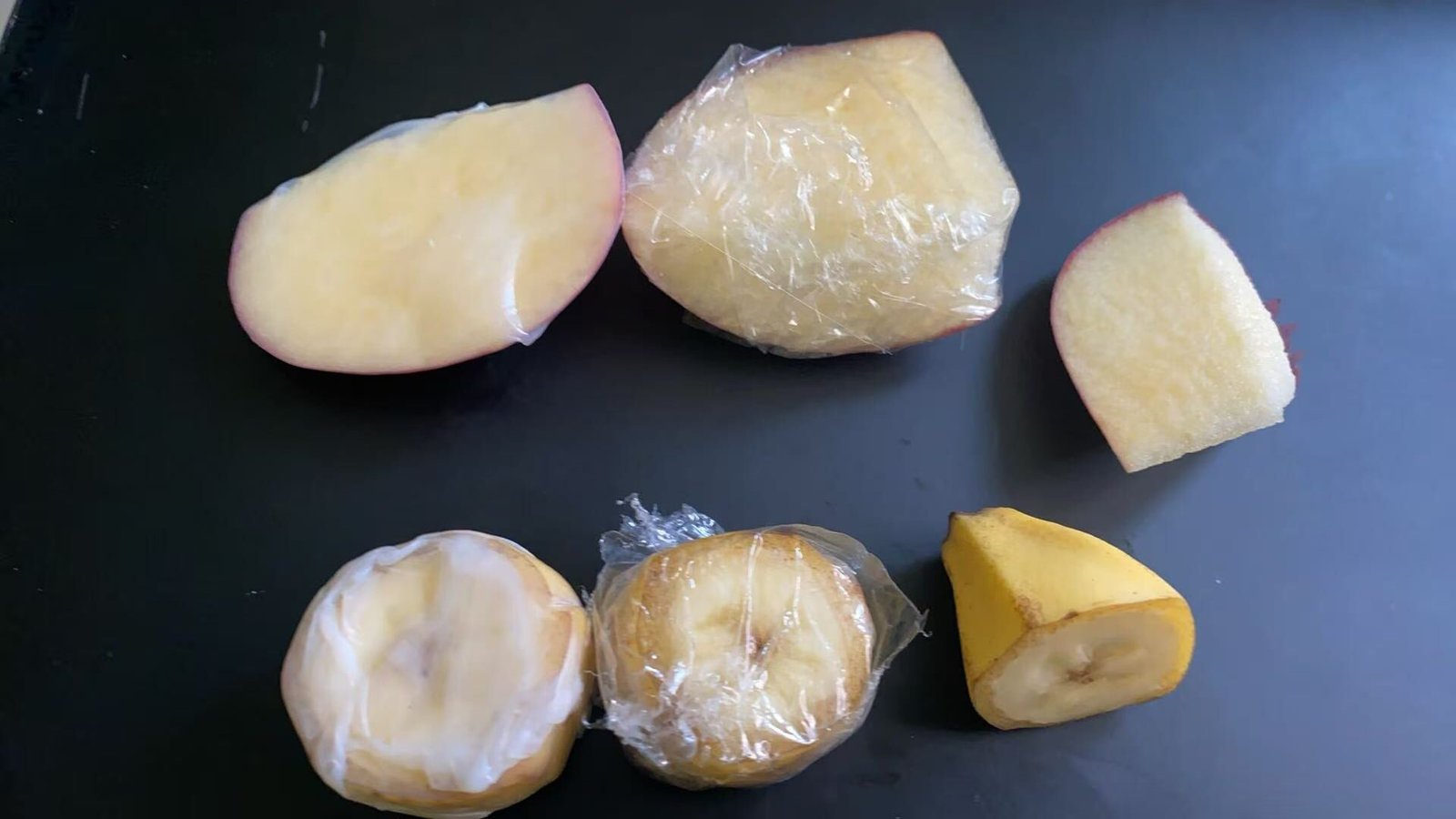
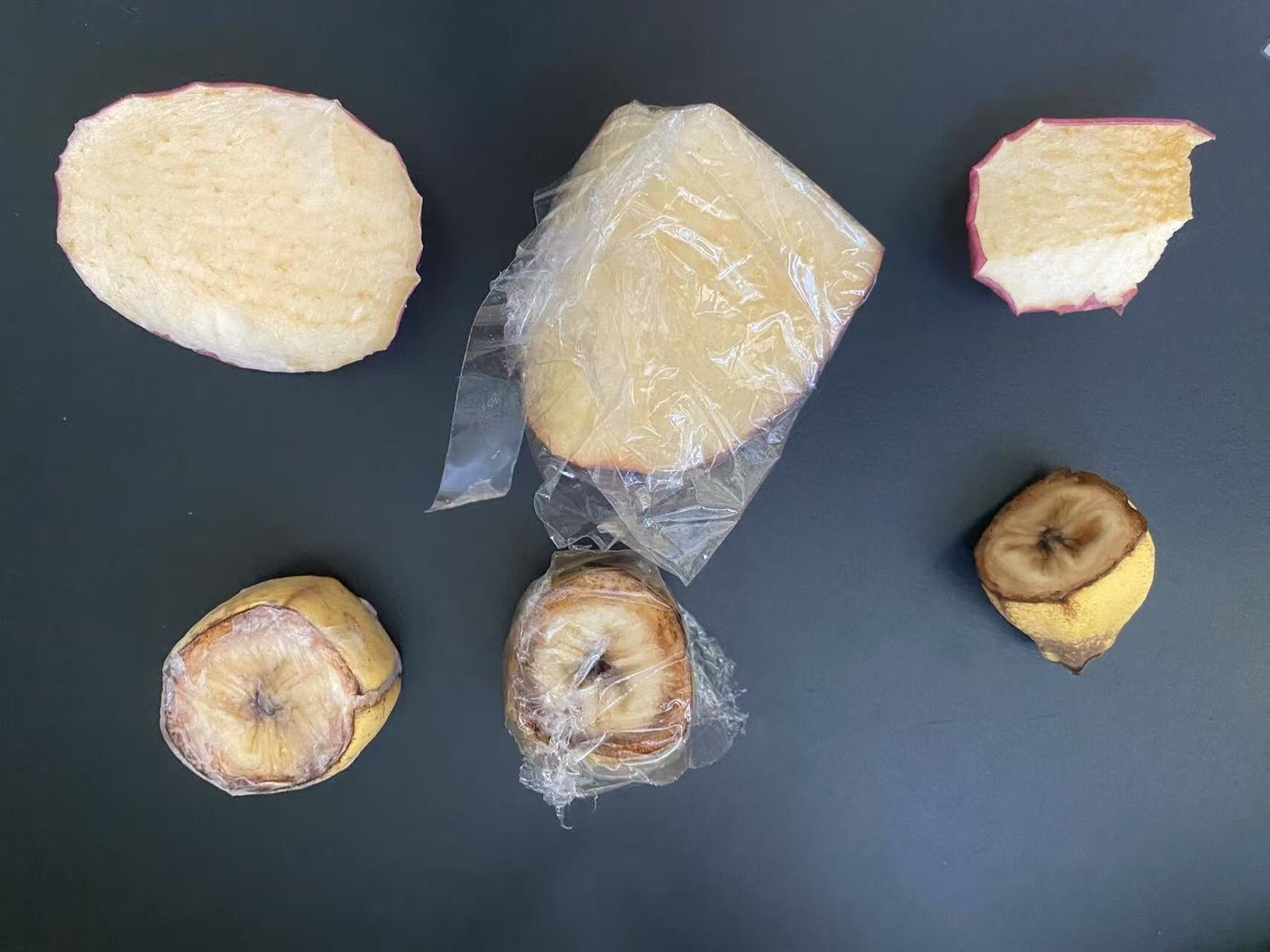
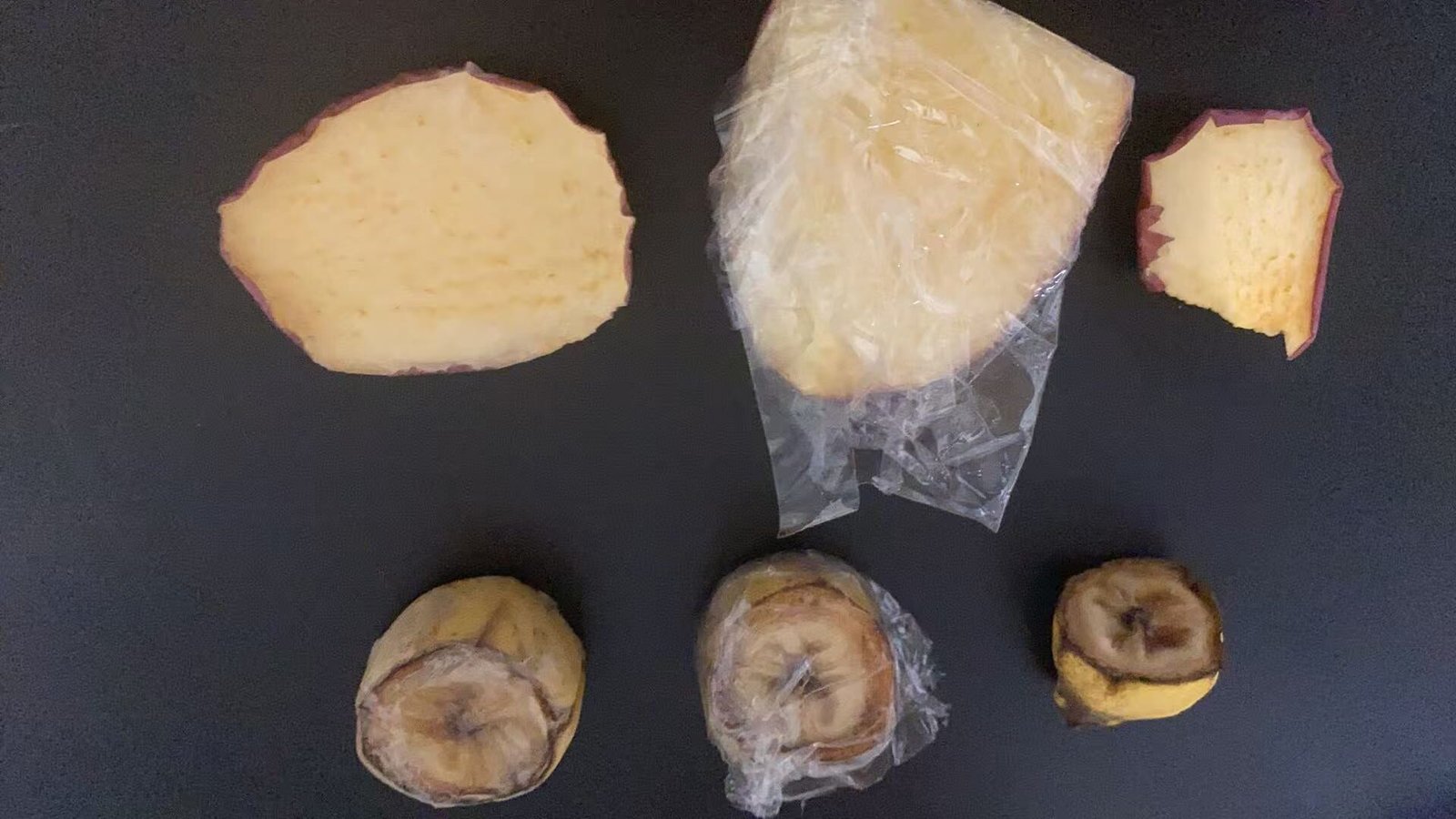
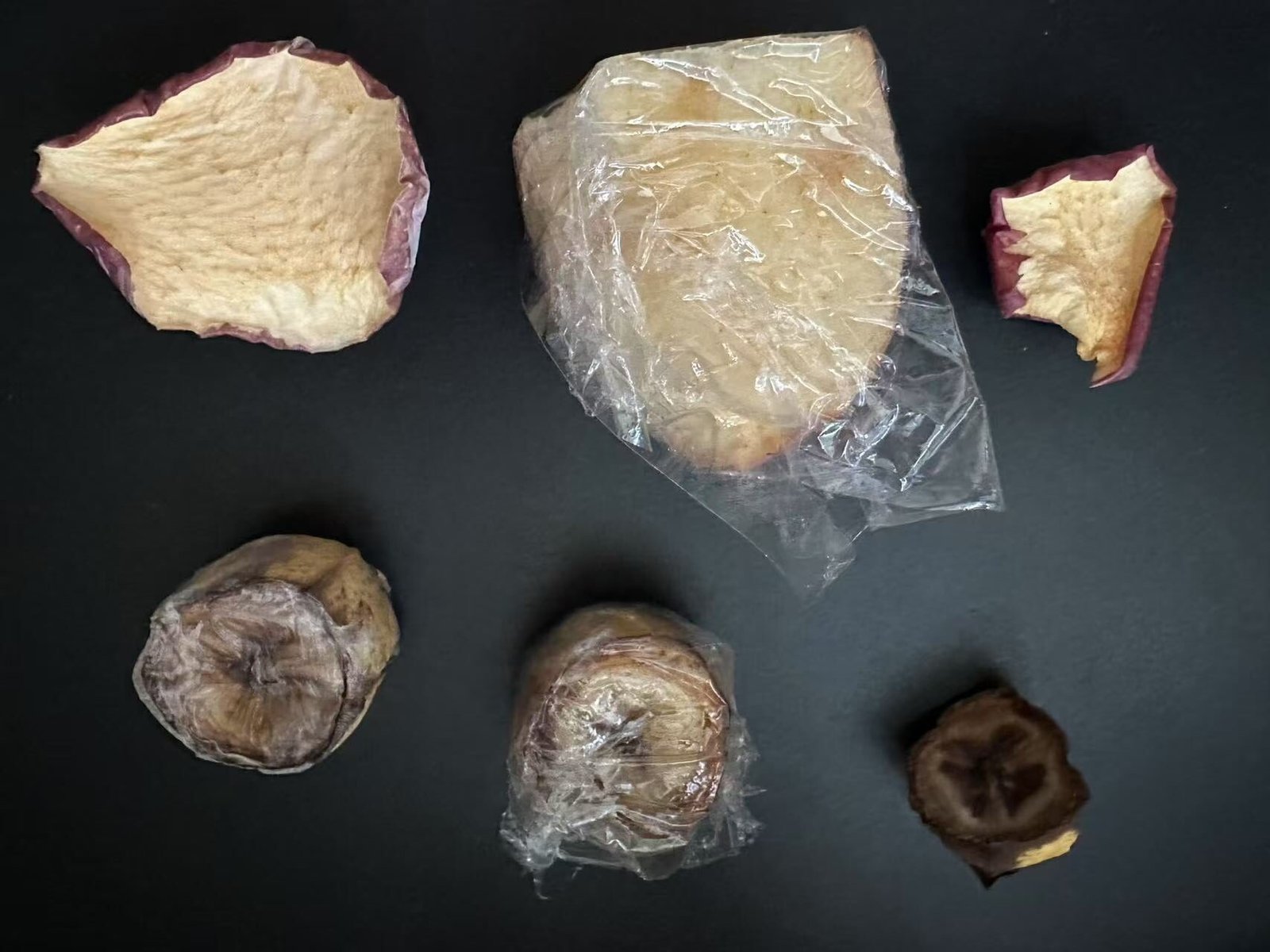
Day 0-3
Reservation of apples and bananas demonstrates BC’s practical utility. Antimicrobialand antioxidant enhancements—via essential oils, bacteria (e.g., Bacillus subtilis), or montmorilloniteaspartate coatings—extend shelf-life without compromising edibility.
The variance of perservability of apple and banana
Questionaire
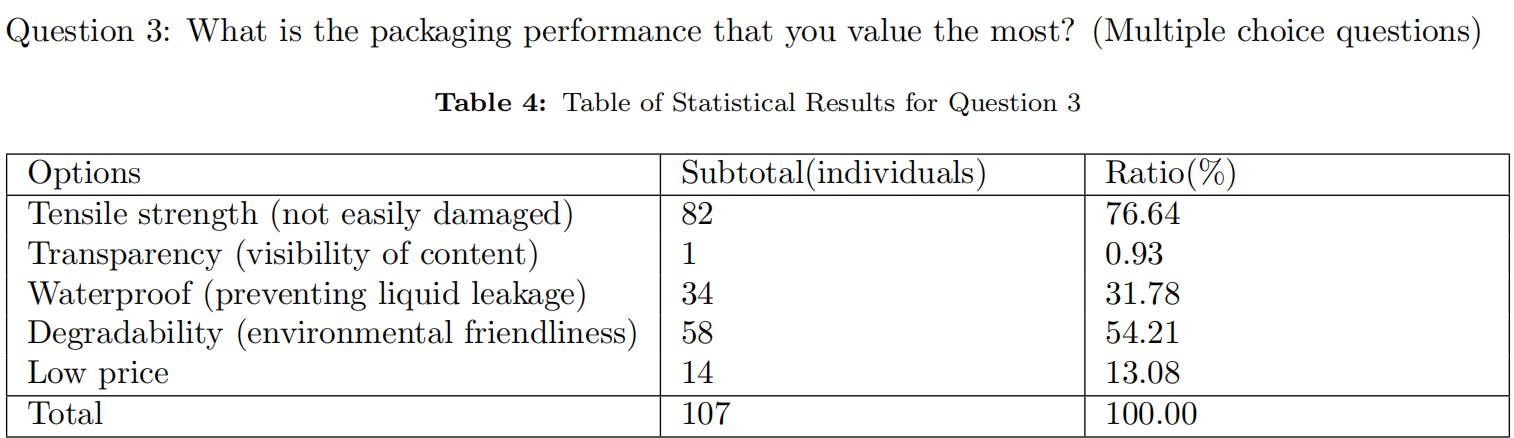
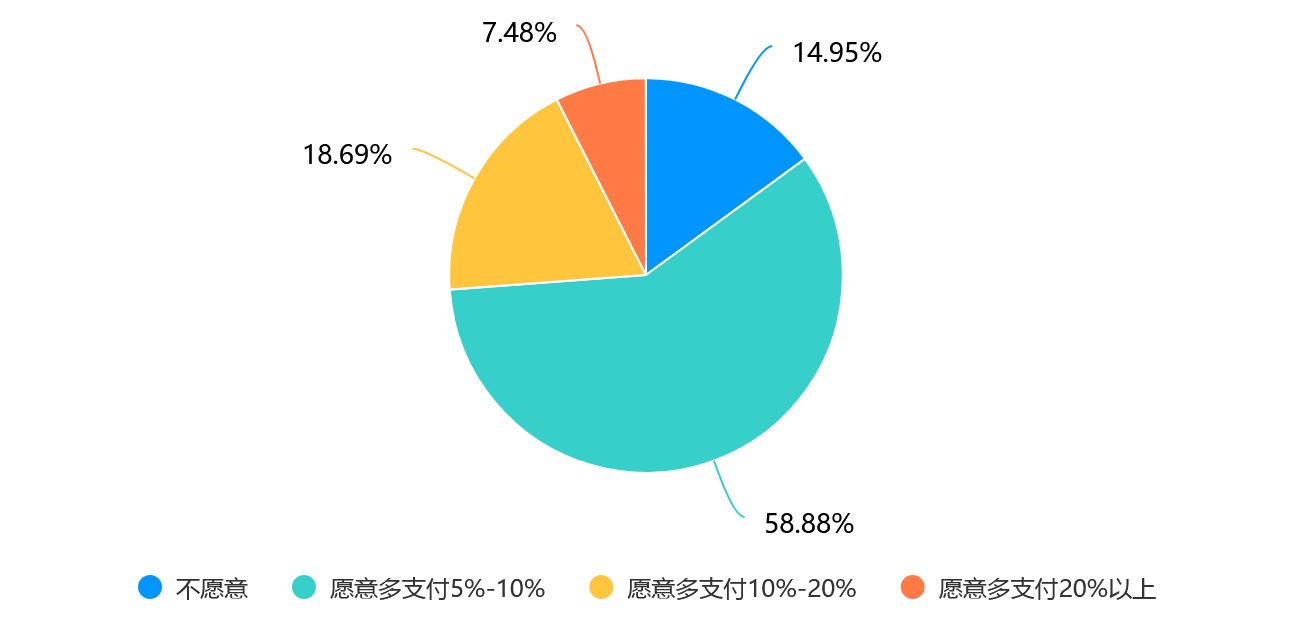
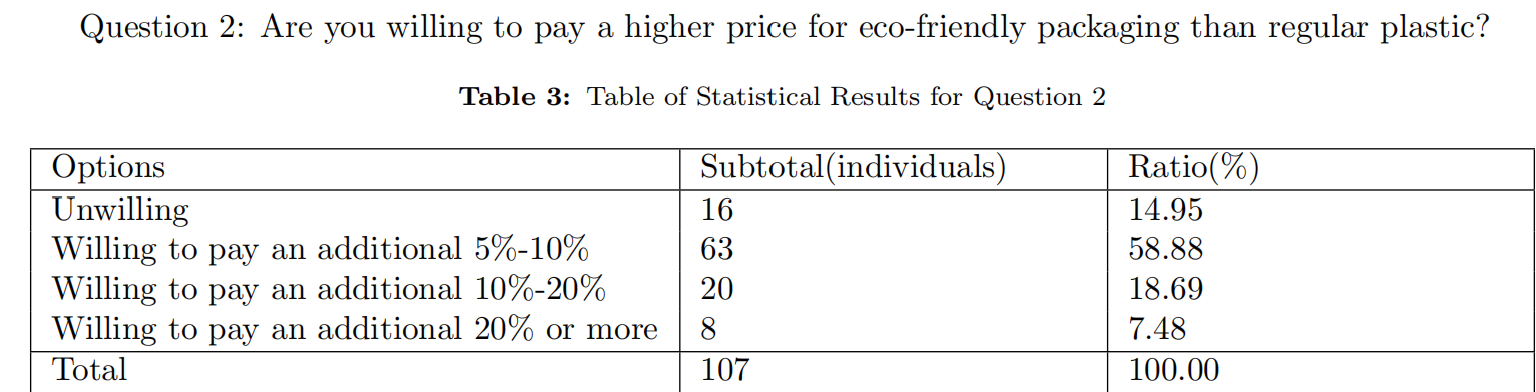
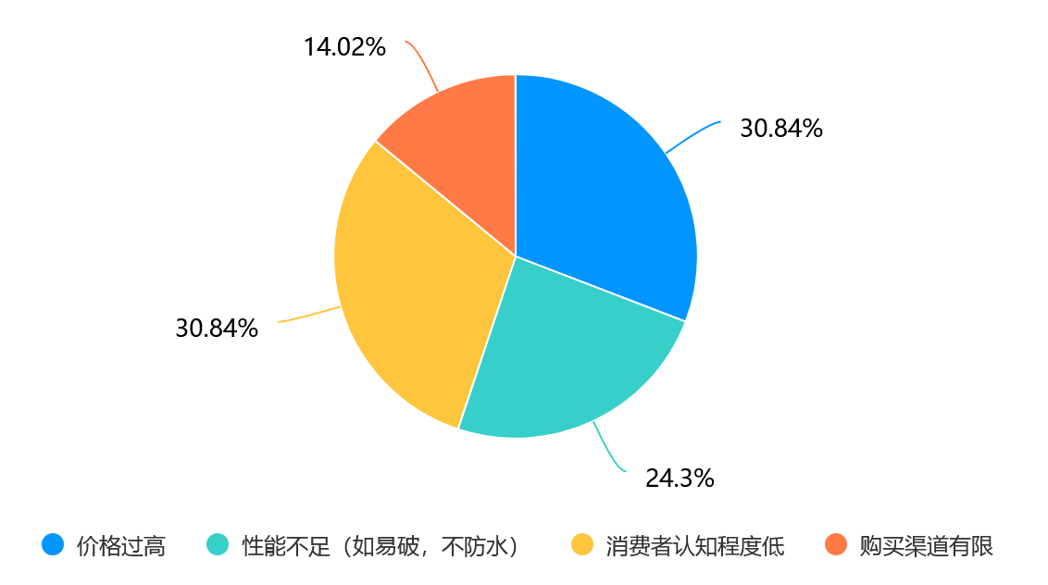
Results of market
- The price range that the market is willing to accept is an increase of 5% -20%. But currently the production cost of BC film is 6-20 times higher than normal plastic film.
- The market size could be expanded to a greater extend by carrying out more environmental friendly publicity to raise social awareness on this issue.-In order to achieve a market sucess for BC film, government’s support is important.
- In order to maintain the market competitiveness for BC film, we’ll have to maintain its advantages on strength and resistance for BC film and also lower the production cost for it.
Conclusion
Bacterial cellulose exhibits tensile strength far exceeding PE, while remaining compostable within weeks. Composite enhancements resolve barrier and hydrophobicity challenges, and BC-based packaging demonstrates marked improvements in food preservation. Though cost remains a challenge, production synergies and circular-economy methods pave the way for scalable, eco-friendly packaging solutions.
Future directions
1. Scale-up through optimized bioreactors and low-cost substrates.
2. Structural innovation via composites for optimally balanced barrier and mechanical properties.
3. Regulatory and life-cycle assessments to meet food-safety standards and market viability.
Presentation!
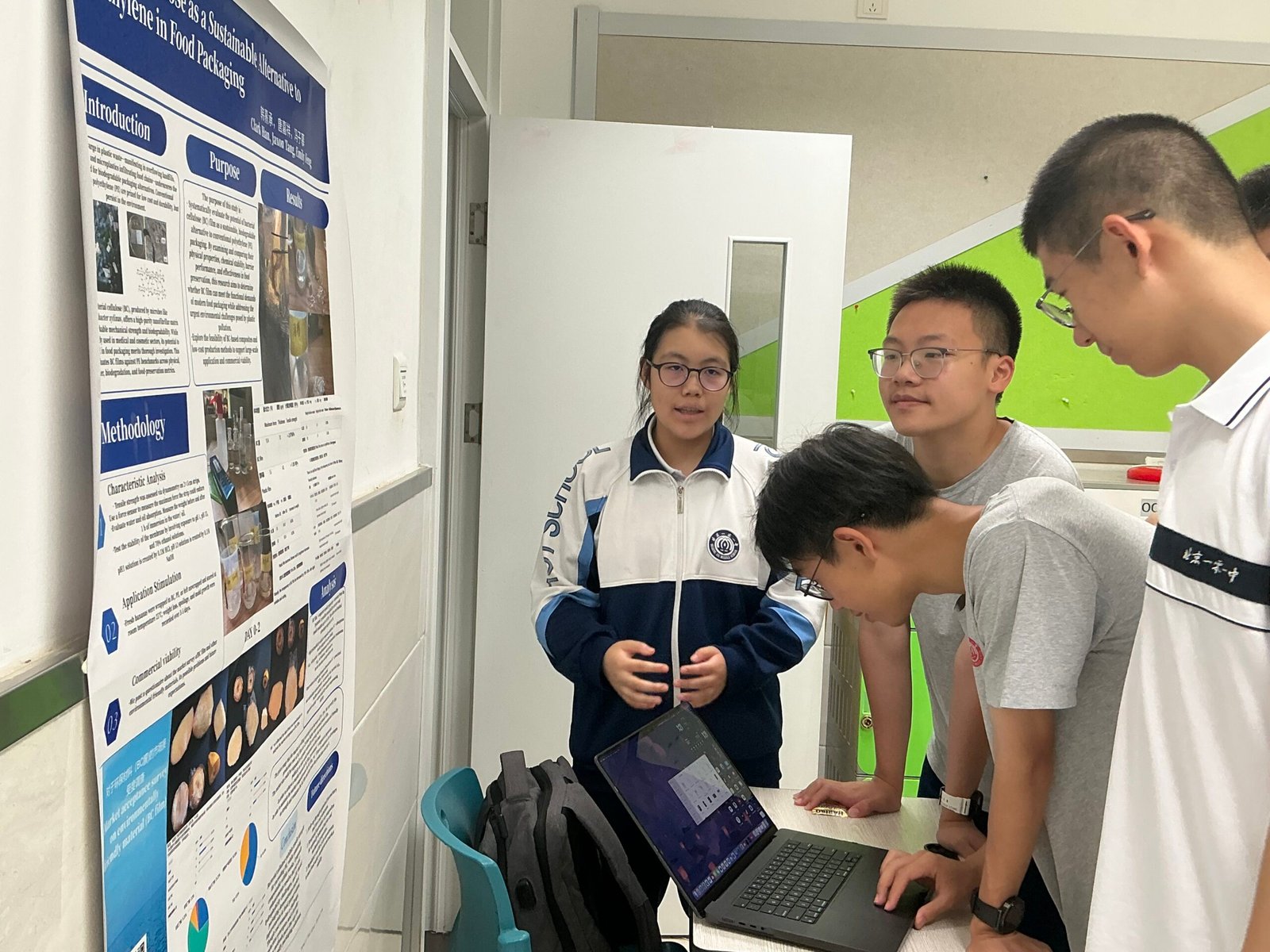
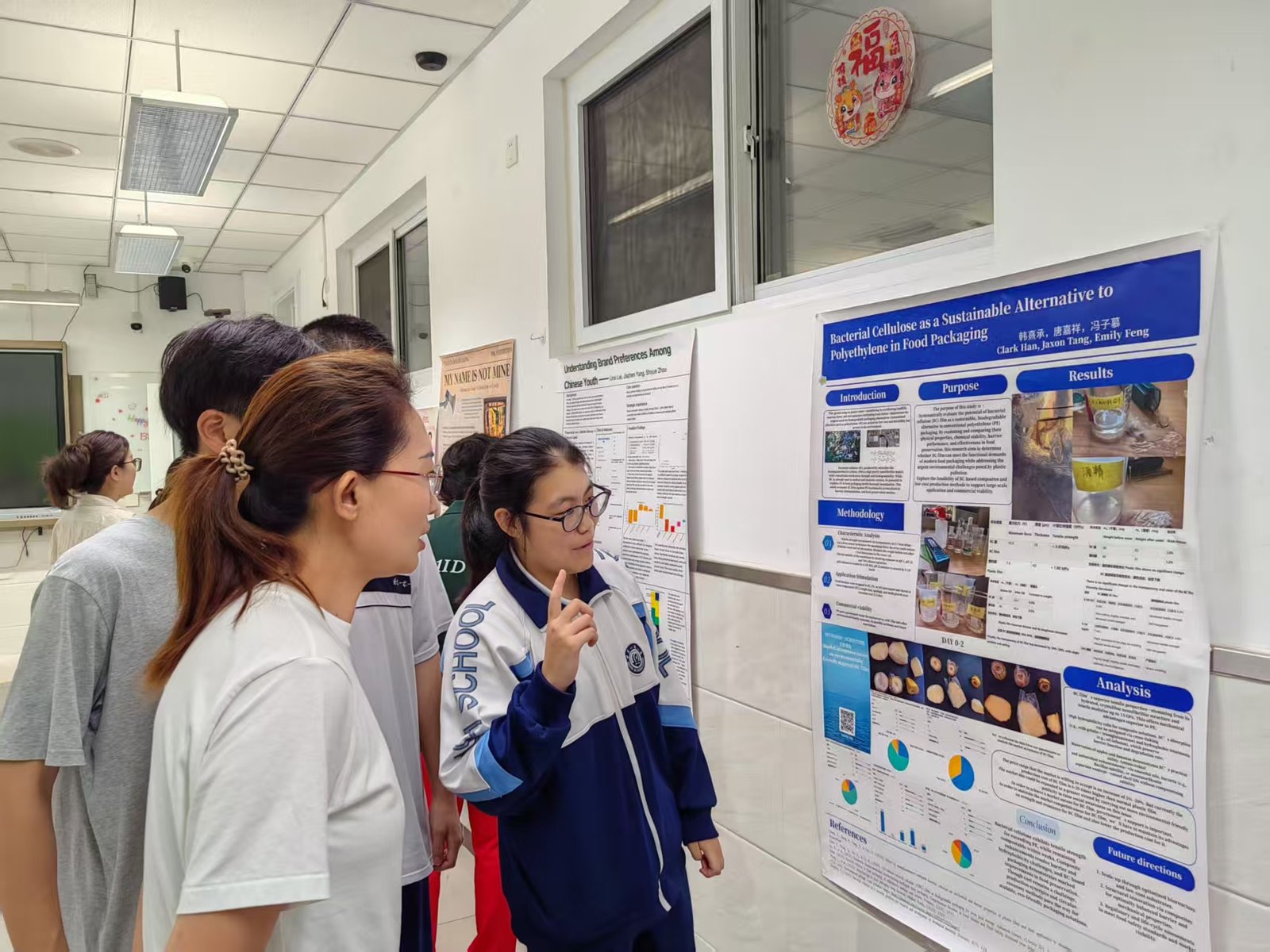
Here are photos of the PBL presentation!
I presented our findings to many of our teachers, including my economic and chemistry teacher, and they both approved our research!